
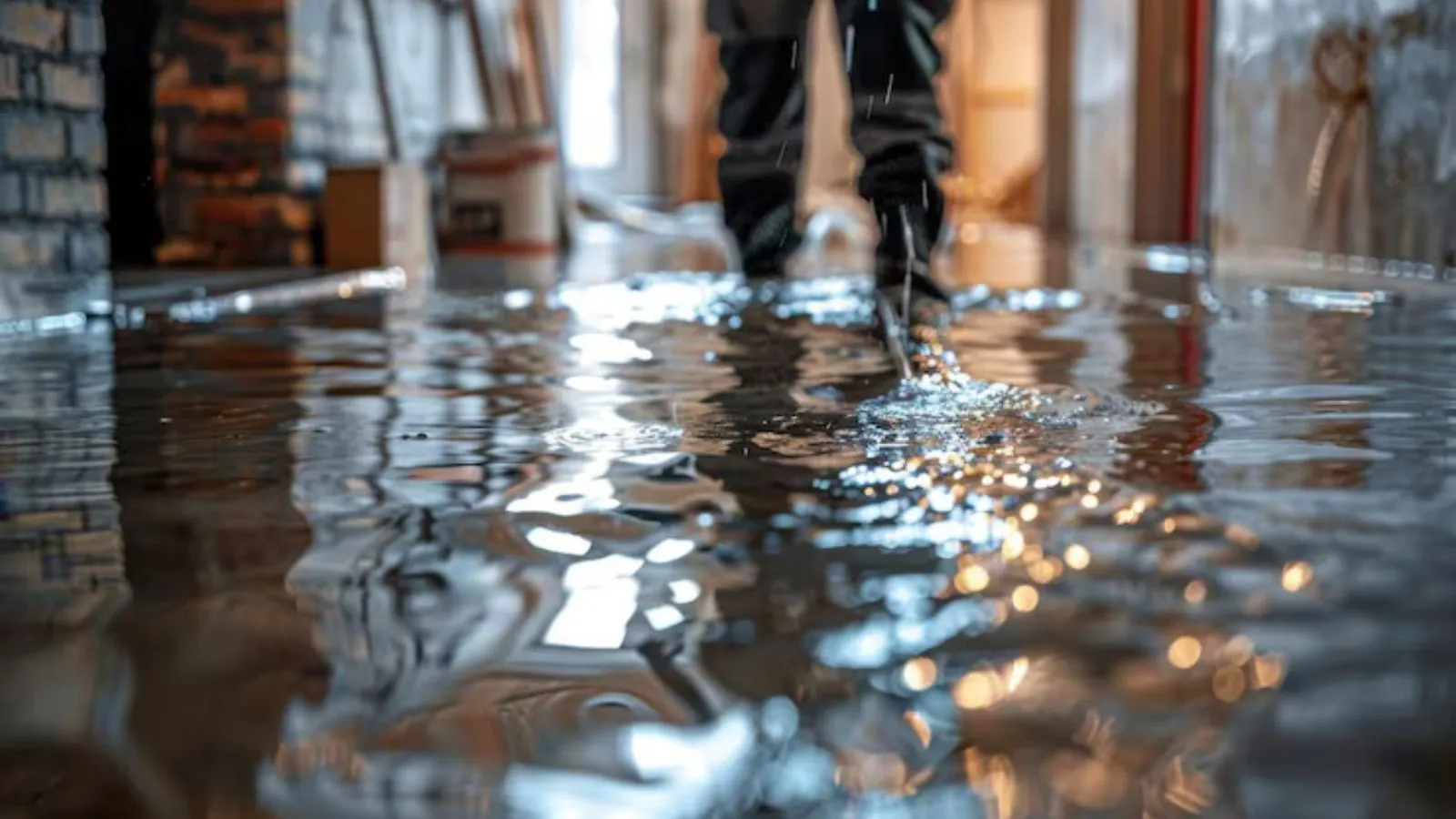
Water Extraction in Highland Park Starts With the Source
Extraction is the step that removes bulk water from floors, carpet and low cavities. It comes first because every hour that water sits, it moves into drywall, subfloor and framing. Pulling it out quickly keeps a small loss from turning into a large one.
Before any pump runs, the crew finds where the water is coming from. A supply line that is still leaking has to be shut off, or the extraction only buys a few minutes. If the cause is a burst pipe, the crew will point you to the main shutoff and work from there.
Once the source is stopped, the equipment depends on the depth and the floor type. Shallow water on tile is handled differently from several inches in a finished basement. Many jobs end with structural drying so the building dries down to its normal moisture level.
What Standing Water Does to a Highland Park Property
Water does not stay where it lands. It follows gravity and capillary action into every material it can touch.
Drywall and plaster
Walls wick water upward from the baseboard. Paper facing and gypsum soften and can lose strength.
Subfloor and framing
Plywood and joists absorb water slowly and release it slowly, so they can stay wet long after the surface looks dry.
Carpet and pad
Pad holds water like a sponge. Carpet may be saved when the water is clean and removed early.
Contents and stored items
Cardboard, books and upholstery wick water fast. Lifting them off wet floors early limits losses.
Water on the floor right now?
The line is open 24/7. Call and we start planning the extraction while you are on the phone.
How an Extraction Visit Runs
Assess and stop the source
The crew checks the depth, the affected rooms and the water source, and confirms power is safe near wet areas.
Extract bulk water
Submersible pumps handle deeper water. Wand extractors pull water from carpet and hard floors.
Measure what is left
Moisture meters and thermal imaging show where water traveled behind walls and under floors.
Set up for drying
Air movers and dehumidifiers go in, and you receive a plain explanation of the scope before further work.
Emergency Water Extraction Is a Race Against the First Day
Water losses are time sensitive. Within the first day, wet drywall begins to swell and wood floors can start to cup. After that, the cleanup list gets longer and the repair estimate usually grows with it.
That is why the line stays open overnight and on weekends. Highland Park homes near the ravines and the Skokie River floodplain can take on water after heavy storms at any hour. A 2 a.m. call is treated the same as a noon call.
While you wait for the crew, stay out of rooms with water near outlets or appliances. Move small items to dry ground and take photos before you touch anything. Those photos help later if you file a claim.
What Changes the Scope of an Extraction Job
| Factor | Why it matters | Effect on the job |
|---|---|---|
| Depth of water. | Deeper water needs pumps first. | More equipment and more time. |
| Water source. | Clean supply water differs from sewage or flood water. | Contaminated water changes the cleanup rules. |
| Floor type. | Tile drains easily while carpet and wood hold water. | Wood and carpet need earlier action. |
| Time since loss. | Materials absorb more as hours pass. | Delays raise the amount of material to remove. |
| Finished or unfinished area. | Finished basements hold more at-risk materials. | More demolition and drying. |
The scope and price are explained before work starts, so you can see what drives the number.
Insurance and Water Extraction
Policies differ in what they cover, so read yours or call your agent early.
Illinois Department of Insurance guidance notes that standard homeowners policies usually exclude maintenance seepage and flood, while sudden discharge from plumbing is often treated differently. Sewer backup is usually an optional endorsement.
We document the loss with photos and moisture readings. We do not decide coverage, because that is your insurer's call.
A Typical Extraction Call in a Finished Basement
One call we hear often goes like this. A homeowner comes down to a finished basement and finds an inch or two of water across the carpet. The source might be a failed sump pump, a supply line or a floor drain. The first question we ask is whether the water is still rising.
If it is, the source comes first. If it has stopped, extraction can begin as soon as the area is safe. We check for electrical hazards, then run pumps and wand extractors across the carpet and pad. Wet pad is usually lifted, because it holds water long after the surface looks dry.
After extraction, the crew measures walls and floors again. Water that looks like it stopped at the baseboard has often climbed several inches inside the wall. That is why the work does not end when the standing water is gone.
Mistakes That Make Extraction Harder
The most common mistake is waiting for the water to soak in or evaporate. Standing water never helps a building. Another is using a household vacuum on a wet floor, which is unsafe and does not reach hidden water. A third is walking through wet carpet, which pushes water into the pad and spreads dirt.
It also helps to avoid turning on ceiling fixtures if water came through a ceiling, and to keep children and pets out of the area. If the water may be contaminated, the rules change, and our pages on sewage backup cleanup explain how.
When you call, tell the dispatcher which floors are wet, how deep the water looks and whether anything electrical is touching it. Those details let the crew bring the right pumps the first time.
Safety Steps Before Help Arrives
These steps keep people safe while a crew is on the way.
- Do not enter standing water near the electrical panel, outlets or a plugged-in sump pump.
- Turn off power at the breaker only if the panel and the floor around it are dry.
- If you smell gas or see damaged wiring, leave and call the utility or emergency services.
- Keep children and pets out of wet areas until a crew has checked them.
- Do not use a household vacuum on standing water.
Standards and Sources We Use
Our approach follows the general framework of ANSI/IICRC S500, the published standard for professional water damage restoration. The insurance notes on this page reflect guidance from the Illinois Department of Insurance.
Water Extraction Questions From Highland Park Homeowners
Do you handle water extraction emergencies at night or on weekends in Highland Park?
Yes. The line is open 24/7 every day of the year. Call and the dispatcher will arrange a crew and walk you through safe first steps.
Can I use a wet vac myself?
A shop vacuum can help with a small clean spill. It will not reach water in wall cavities or under flooring, and it should never be used near water that touches electrical outlets.
Will extraction alone dry my home?
Usually not. Extraction removes bulk water, while drying equipment removes the moisture held in materials. Skipping the drying step is how hidden damage and odors develop.
Should I turn off power before water extraction?
If water is near outlets or the panel, stay out and call. A licensed electrician or the utility can make the area safe before anyone enters.