
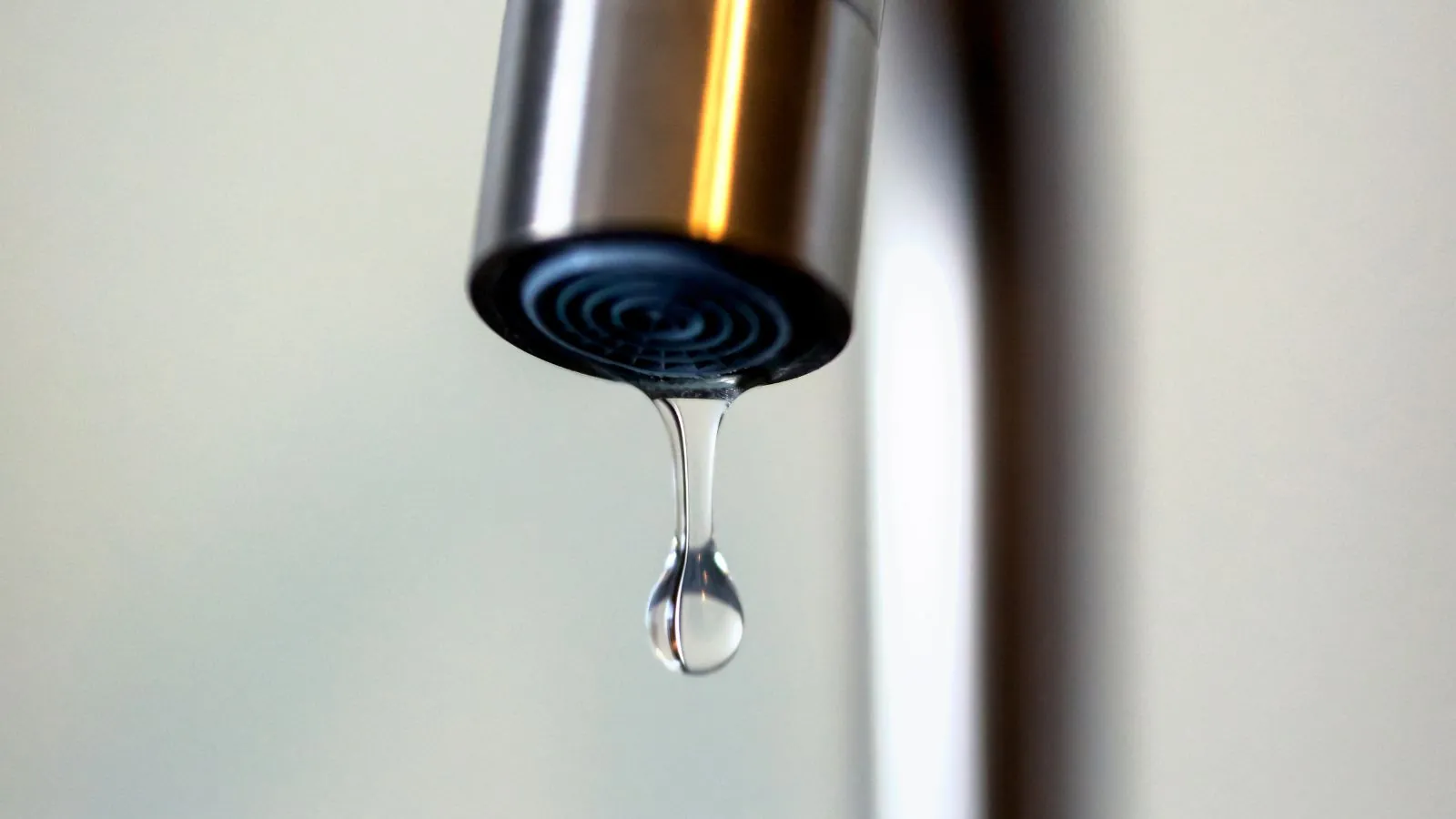
Kitchen Water Damage in Highland Park Homes
The kitchen holds a sink, dishwasher, refrigerator line and often a pantry plumbing wall. That makes it one of the most common places for hidden water losses.
Cabinet bases, toe kicks and subfloor under the dishwasher absorb water first. Laminate and engineered wood floors can swell at the seams. Granite and quartz countertops are not the problem. The wood cabinet boxes beneath them are.
We find the extent of moisture, dry what can be saved and remove what cannot, so a kitchen repair starts from dry materials.
Common Kitchen Leak Sources
Most kitchen leaks come from connections rather than the big fixtures.
Sink supply lines
Braided lines and shutoff valves can drip for months under a cabinet.
Dishwasher connections
Supply and drain fittings can loosen and release water behind the unit.
Refrigerator ice maker line
A small tube can leak slowly under flooring.
Garbage disposal and drain traps
Loose slip nuts drip into cabinet bases.
Water under the sink?
Close the supply valve and call us.
Our Kitchen Water Damage Process
Stop the leak
Close the valve to the leaking line. A plumber repairs the fitting.
Map moisture
Meters check cabinet bases, flooring, walls and the area below.
Open and dry
Toe kicks and wet cabinet bases are opened and air movers dry cavities.
Document and plan repairs
We provide readings and photos so repairs can proceed.
Why Kitchen Leaks Should Be Dried Quickly
Particleboard cabinet boxes swell when wet and rarely return to shape. Fast drying can save some cabinets. Delay often means replacement.
A kitchen leak is not always an emergency in the first minute, but a leak that has soaked flooring should be addressed promptly. If you have water spreading across the floor, call our 24/7 line.
Take photos of the leak, the cabinet base and the flooring before any cleanup.
Kitchen Materials and Water
| Material | Response to water | Typical outcome |
|---|---|---|
| Particleboard cabinets. | Swell and weaken. | Often replaced. |
| Solid wood cabinets. | Can often dry. | Often saved. |
| Laminate flooring. | Swells at seams. | Usually replaced. |
| Tile and stone. | Not affected. | Subfloor may need drying. |
Insurance Notes for Kitchen Leaks
Sudden leaks are treated differently from slow seepage.
Illinois guidance says policies commonly exclude maintenance-related seepage. Ask your agent how a long-running drip would be treated.
We supply photos, readings and drying logs.
A Slow Leak Behind a Dishwasher
Kitchen leaks are often slow. A dishwasher drain connection weeps behind the unit for months. The first sign is a soft spot in the floor or a smell under the sink. By then the subfloor and cabinet base may be damaged.
We pull the toe kick, measure the cabinet and the floor and dry the cavity. If the flooring is laminate or engineered wood, it often has to be replaced.
The plumber fixes the drain connection. We confirm the area is dry before cabinets and flooring are reinstalled.
Saving Cabinets and Countertops
Countertops usually survive water. The cabinet boxes underneath are the concern. Solid wood and plywood boxes often dry well. Particleboard swells and rarely returns to shape.
Drying a cabinet base in place requires removing the toe kick and sometimes the back panel so air can circulate. If the countertop must come off to dry the cabinet, the cost climbs, so measure first and decide with facts.
See our page on appliance leak water damage for more about fridge and dishwasher failures.
Kitchen Leak Prevention Checks
A few minutes a year can prevent a large repair.
- Check under the sink for drips and swollen cabinet floors.
- Look behind the dishwasher for damp or stains.
- Inspect the refrigerator water line for kinks or wear.
- Test shutoff valves so they turn freely.
- Replace old braided hoses before they fail.
- Install a leak sensor under the sink.
What We Check Beyond the Visible Spill
The wet floor in front of the sink is often only part of the loss. Water travels under cabinets, behind the toe kick and into the dining room floor. We measure each of those spots before deciding what to open.
Kitchens are also busy rooms with many finishes. Tile, stone, laminate and wood all behave differently, so the drying plan changes by surface.
Safety Steps Before Help Arrives
These steps keep people safe while a crew is on the way.
- Turn off the water at the main or the fixture valve if you can reach it safely.
- Do not touch outlets, switches or appliances that are wet or standing in water.
- Stay out from under a bulging ceiling or a sagging section of wall.
- Do not use ceiling fixtures or fans that have water in them.
- Photograph the damage before moving anything, and keep damaged items for your insurer.
Standards and Sources We Use
Our approach follows the general framework of ANSI/IICRC S500, the published standard for professional water damage restoration. The insurance notes on this page reflect guidance from the Illinois Department of Insurance.
Kitchen Water Damage Questions in Highland Park
Can wet cabinets be saved?
Solid wood often can. Particleboard usually cannot.
Do you handle kitchen water emergencies at night in Highland Park?
Our 24/7 line handles active leaks. Call and we will advise.
Will the floor need to come up?
Sometimes. Moisture readings decide.
How do I know the leak is fully fixed?
A plumber confirms the repair. We confirm the area is dry.