
Flood Damage Cleanup for Highland Park Properties
Floodwater is treated differently from a clean pipe leak. It can carry soil, sewage and runoff residue, and many porous materials that touch it cannot be saved. That changes the cleanup plan from the first step.
Highland Park has floodplain areas along the Skokie River, called the East Fork, and along the Middle Fork of the North Branch Chicago River. The city participates in the National Flood Insurance Program, and many low-lying parcels sit in mapped Special Flood Hazard Areas.
Not every flood comes from a river. Heavy rain can overwhelm drains, and ravines and bluffs carry runoff quickly toward the lake. Whatever the source, the first priority is making the building safe to enter.
How Floodwater Is Sorted Before Cleanup
Industry guidance such as ANSI/IICRC S500 groups water by contamination level. We use those categories to decide what can be dried and what must go.
Category 1
Clean supply water. Most materials can be dried when the response is fast.
Category 2
Contains some contaminants. Carpet pad and some porous items are usually removed.
Category 3
Grossly contaminated, including floodwater and sewage. Porous materials are removed and surfaces are cleaned.
Unknown source
When the source is unclear, we treat the water with extra caution until testing or inspection clarifies it.
Flood water in your home?
Stay safe, keep clear of electrical, and call. The 24/7 line is open.
Our Flood Cleanup Process
Safety check
We confirm it is safe to enter, with attention to power, standing water depth and structural concerns.
Extract and remove
Water is pumped out and wet materials that cannot be restored are removed.
Clean and treat
Hard surfaces are cleaned and treated before drying equipment goes in.
Dry and document
Moisture readings are logged until the structure reaches dry targets.
Emergency Flood Cleanup Cannot Wait for the Weather to Clear
Floodwater loss grows fast. Contaminated water spreads into baseboards, wall bottoms and subfloors, and contents begin to wick water within hours.
Our line runs 24/7 through storm nights and weekend flooding. If you can safely do it, shut off power to flooded areas at the breaker, lift valuables to a high shelf, and take photos from the doorway.
Do not wade into deep water near electrical items. If you smell gas or see damaged wiring, leave and call the utility or emergency services.
Flood Cleanup Decisions by Material
| Material | Often kept | Often removed |
|---|---|---|
| Drywall. | Rarely after contaminated flooding. | Lower sections cut out. |
| Carpet and pad. | Seldom with contaminated water. | Usually both. |
| Hardwood. | Sometimes if clean and dried early. | Cupped or contaminated boards. |
| Tile and concrete. | Yes, after cleaning. | Rarely. |
Final decisions depend on moisture readings and the water category.
Flood Insurance and Highland Park Floodplains
Flood is usually not covered by a standard homeowners policy.
Flood damage is generally handled by the National Flood Insurance Program or a private flood policy. NFIP claims are not regulated by the Illinois Department of Insurance, though IDOI can answer general questions.
Sewer backup coverage is often an optional endorsement on a homeowners policy. Check your declarations page.
What a Floodwater Cleanup Looks Like in Practice
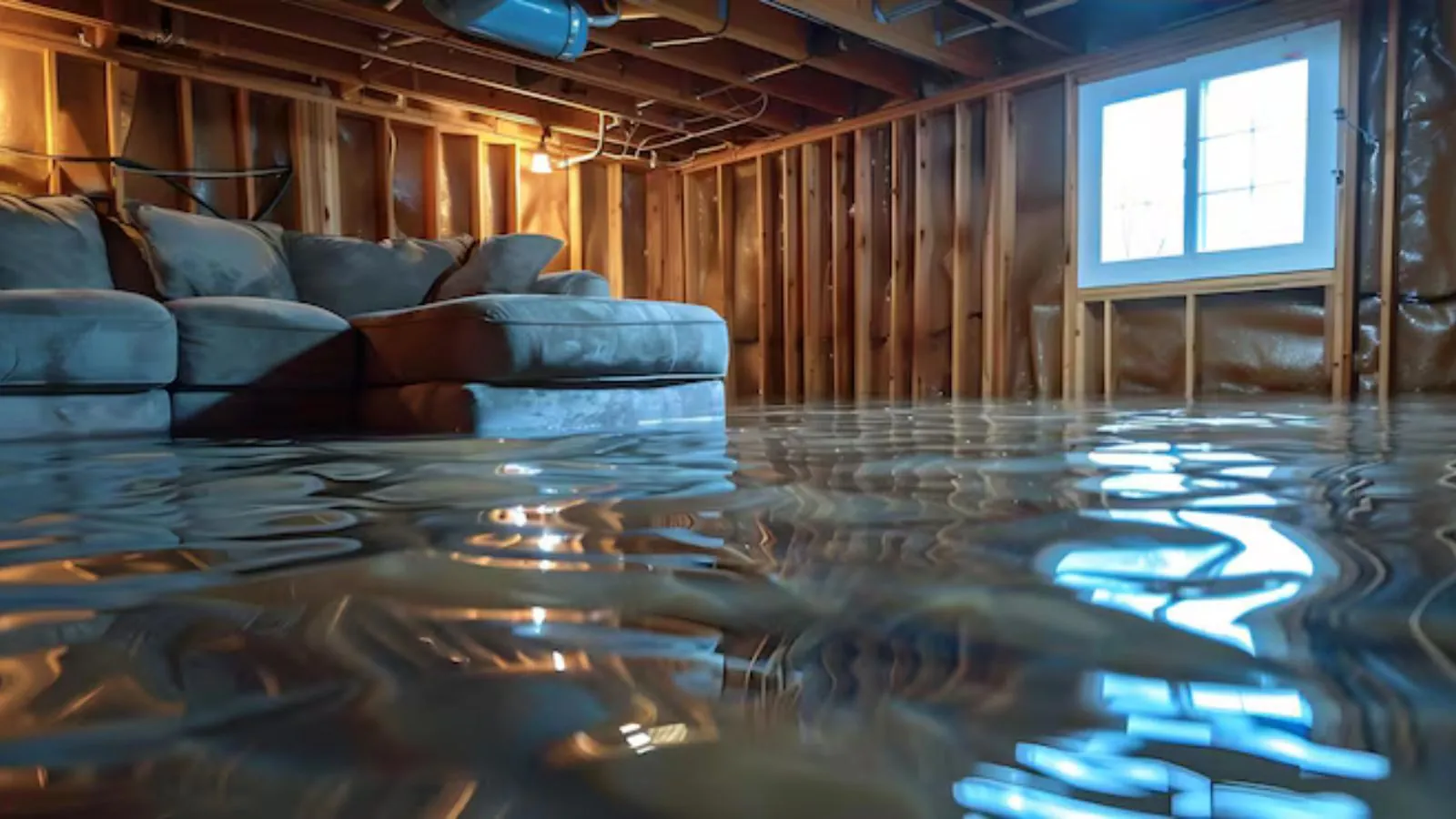
Flood cleanup is heavier work than a clean-water leak. The crew wears protective gear, removes contaminated porous materials and cleans surfaces that remain. Drywall, carpet, pad and insulation that touched floodwater are usually removed.
After removal, hard surfaces are cleaned and treated. Concrete, tile and framing are cleaned and dried rather than removed. Drying equipment then runs while readings are logged.
The finished result is a stripped, clean and dry shell that is ready for reconstruction. It can look drastic, and that is expected. The aim is to remove what cannot be made safe and keep what can.
Highland Park Flood Context You Can Use
The City of Highland Park describes its floodplain as primarily along the Skokie River, called the East Fork, and the Middle Fork of the North Branch Chicago River. Special Flood Hazard Areas are typically labeled Zone A on flood maps. The city also reports that its own floodplain elevation is typically about a foot above FEMA's.
The city cites floods in July 2017 and April 2013 in Lake County. It also reports that the US Army Corps of Engineers began a study in October 2018. These are useful reminders that flooding in the area is not rare, and that owners should know their parcel.
Flood maps can be viewed at the Building Division at 1150 Half Day Road. If you live in Glenview or Winnetka, see our pages for Glenview and Winnetka.
Safety Steps Before Help Arrives
These steps keep people safe while a crew is on the way.
- Do not enter standing water near the electrical panel, outlets or a plugged-in sump pump.
- Turn off power at the breaker only if the panel and the floor around it are dry.
- If you smell gas or see damaged wiring, leave and call the utility or emergency services.
- Keep children and pets out of wet areas until a crew has checked them.
- Do not use a household vacuum on standing water.
Standards and Sources We Use
Our approach follows the general framework of ANSI/IICRC S500, the published standard for professional water damage restoration. The insurance notes on this page reflect guidance from the Illinois Department of Insurance.
Flood Damage Questions From Highland Park Homeowners
Do you handle flood emergencies at night or on weekends in Highland Park?
Yes. The line is open 24/7, including storm nights and holidays.
Can flooded drywall be saved?
Clean-water drywall sometimes can. Contaminated flood water usually means the lower section is removed.
Do I need flood insurance in Highland Park?
It depends on your property and your lender. The city can show floodplain maps at the Building Division, and your insurance agent can explain coverage.
How soon should cleanup start?
As soon as it is safe. Delay raises the amount of material that has to be removed.