
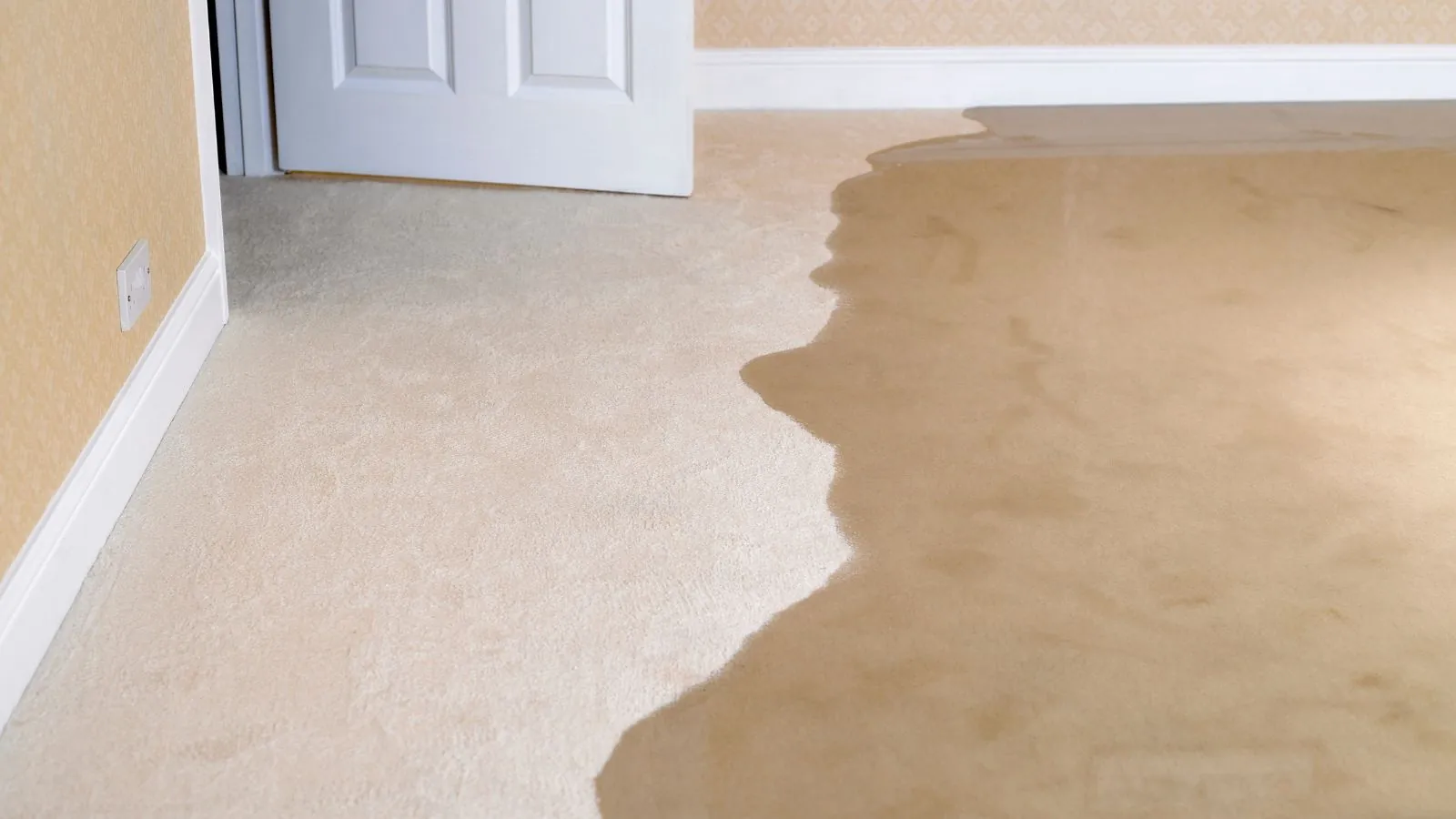
Carpet Water Damage in Highland Park Homes
Carpet has two layers that matter: the carpet itself and the pad beneath. The pad acts like a sponge, and it holds water long after the top feels dry.
Many Highland Park homes have carpet in bedrooms, family rooms and finished basements. A leak from a water heater, a washer or a roof can soak those areas quickly.
We extract water, check the pad and subfloor, and then decide whether to dry the carpet in place or lift and remove it.
Factors That Decide Whether Carpet Is Saved
Several conditions drive the decision.
Water category
Clean water is more forgiving. Contaminated water means carpet and pad are usually removed.
Time
Carpet wet for days is more likely to be replaced.
Pad condition
Pad is usually replaced because it dries slowly and holds contaminants.
Carpet type
Synthetic carpet often dries better than natural fiber.
Carpet soaked?
Call and we will schedule extraction and drying.
Our Carpet Drying Process
Extract
Wand extractors pull water from carpet and pad.
Lift and inspect
Carpet is lifted from tack strips if needed to reach the pad and subfloor.
Dry
Air movers and dehumidifiers dry carpet, pad and subfloor.
Re-lay or replace
Carpet that dries cleanly is re-laid. Otherwise we explain replacement.
Why Carpet Should Not Stay Wet
A wet carpet can develop odor in a short time. Mold can grow on organic material when moisture lingers. Quick extraction and drying lowers the risk.
Avoid walking on wet carpet, because it pushes water into the pad and spreads contamination. Keep furniture legs off the carpet with foil or blocks if you can.
If water is still coming in, call our 24/7 line for emergency help.
Carpet and Pad Decisions
| Situation | Carpet | Pad |
|---|---|---|
| Clean water, fast response. | Often saved. | Often replaced. |
| Clean water, delayed response. | Case by case. | Usually replaced. |
| Contaminated water. | Usually removed. | Removed. |
| Sewage. | Removed. | Removed. |
Insurance and Carpet Claims
Carpet replacement is often part of a water loss claim.
Illinois guidance recommends filing promptly and documenting damage. Keep samples if your adjuster asks.
We provide photos and moisture readings.
When Clean-Water Carpet Can Be Saved
Carpet that gets wet from a clean source and is extracted within a day or so often can be saved. We lift the carpet at a corner, remove the pad, dry the subfloor and re-lay the carpet on new pad.
The method is called floating or in-place drying. It requires careful stretching afterward to remove wrinkles. A carpet installer usually does that final step.
If the carpet is old, thin or backed with materials that delaminate when wet, replacement may be the practical choice.
Odor and the Hidden Pad Problem
Odor is the most common complaint after carpet gets wet. It usually comes from pad that stayed damp or from the subfloor underneath. Replacing the pad and drying the subfloor resolves most cases.
Do not use air fresheners to cover the smell. If the odor persists, something is still wet. A meter reading under the carpet tells the story.
For basements, see our page on basement water damage cleanup.
Steps You Can Take Before the Crew Arrives
Small actions limit how far water spreads.
- Remove small items, shoes and boxes from the wet carpet.
- Place foil or plastic blocks under furniture legs.
- Keep foot traffic off the wet area.
- Open closet doors so air can reach the walls.
- Take photos of the wet area before anything is moved.
- Do not run a household vacuum on wet carpet.
Why Carpet Type Changes the Plan
Synthetic fibers such as nylon and polyester release water more easily than wool or natural blends. Berber loops and cut pile behave differently too, and some backings delaminate when wet. We check the carpet at a corner before deciding on in-place drying or removal.
Older carpet is also a factor. A carpet that is already worn and near the end of its life may not be worth the drying cost. We explain the tradeoff plainly so you can decide with the facts.
Safety Steps Before Help Arrives
These steps keep people safe while a crew is on the way.
- Keep foot traffic off wet or soft flooring.
- Do not use heat guns, space heaters or high heat to speed drying.
- Do not sand or refinish until readings show the floor is dry.
- Avoid walking on wet carpet, which pushes water into the pad.
- Keep electrical cords out of standing water.
Standards and Sources We Use
Our approach follows the general framework of ANSI/IICRC S500, the published standard for professional water damage restoration. The insurance notes on this page reflect guidance from the Illinois Department of Insurance.
Carpet Water Damage Questions
Can wet carpet be saved?
Often when the water is clean and removal is fast.
Do you replace carpet?
We dry and remove carpet. Installation of new carpet is done by a flooring contractor.
Do you handle carpet water emergencies at night in Highland Park?
Call our 24/7 line for active water.
Why replace the pad?
Pad holds water and contaminants and is inexpensive compared with the risk.