
Wall and Drywall Water Damage in Highland Park
Drywall is paper-faced gypsum. When it gets wet, the paper softens and the gypsum can crumble. Older Highland Park homes also have plaster walls, which can hold water differently and dry slowly.
Water usually enters a wall from a leaking pipe, a roof or window leak, or a flooded floor. It then wicks upward from the baseboard, which can make the damage look higher than the source.
We map moisture inside walls, remove wet sections that cannot dry and dry the cavity before repairs begin.
Signs a Wall Is Wet Inside
Walls hide moisture well. These signs can reveal it.
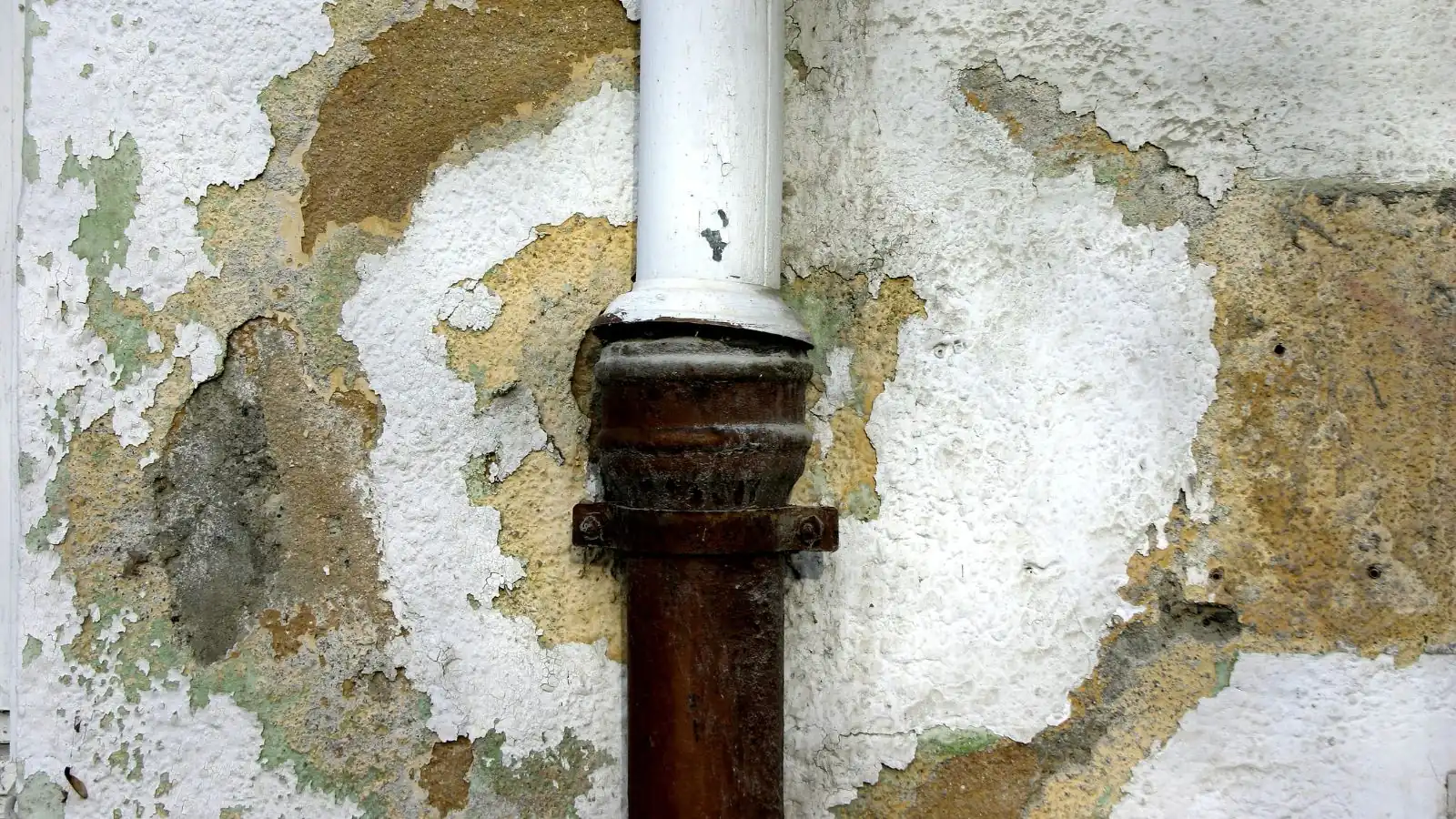
Bubbling or peeling paint
Moisture pushes paint off the surface.
Soft or crumbling spots
Wet gypsum loses strength.
Stains and tide lines
Brown rings show repeated wetting.
Musty odor
Smell without a visible stain often means wet insulation inside.
Wall stained or soft?
Call to schedule a moisture check.
Our Wall Drying Process
Map moisture
Meters and thermal imaging find the edges of the wet area.
Open the wall
A small opening or removed baseboard gives access to the cavity.
Remove wet material
Soaked insulation and unsalvageable drywall are removed.
Dry and verify
Air movers dry the cavity until readings are normal.
Why Wall Cavities Need Drying Before Repair
Painting or patching over a wet wall seals moisture inside. That can lead to odor, peeling and mold growth on organic material.
A drying check before repair can save a second round of work. If a plumber has repaired the source, we can confirm that the wall is dry.
If you see water coming through a wall now, shut off the water if you can and call our 24/7 line.
Wall Materials and Water
| Material | Reaction | Typical outcome |
|---|---|---|
| Standard drywall. | Softens and swells. | Wet sections removed. |
| Moisture-resistant drywall. | Resists briefly. | Still needs drying. |
| Plaster and lath. | Slow to dry. | Controlled drying. |
| Wood paneling. | Warps. | Case by case. |
Insurance and Wall Damage
Wall repairs often follow a covered water loss.
Illinois guidance says to file promptly and keep photos. Maintenance-related seepage is commonly excluded.
We provide readings and photos.
A Wall Stain That Keeps Coming Back
A homeowner paints over a brown stain and it returns in a month. That is a sign of ongoing moisture. The source may be a pipe behind the wall, a roof flashing problem or condensation on a cold exterior wall.
We measure the wall, open a small inspection hole if needed and look inside. Wet insulation is removed. Drywall that has lost strength comes out in a clean rectangle that is easy to patch.
Fix the source before repairing the wall. Otherwise the new drywall gets wet too.
Plaster Walls in Older Highland Park Homes
Many older homes in the area have plaster on lath. Plaster is dense and dries slowly. It can crack and bulge when wet. In many cases it can be dried in place with controlled drying, which preserves original walls.
A plasterer can repair cracks afterward. The Willits House on Sheridan Road, designed by Frank Lloyd Wright and listed on the National Register in 1980, shows the kind of historic fabric that makes careful drying worth it.
If you are not sure whether your walls are plaster or drywall, tap them. Plaster sounds dense. A moisture reading works on both. See also mold remediation.
What to Photograph Before Repairs Start
Records help you, your contractor and your insurer.
- The stain or wet area with a ruler or coin for scale.
- The room wide shot showing the wall and the ceiling.
- Any visible source such as a pipe, window or vent.
- Moisture meter readings if you have a meter.
- The baseboard and floor beside the wall.
- Any damaged belongings near the wall.
How Far a Wet Wall Usually Extends
Water wicks upward in drywall by a few inches to a foot or more depending on how long it sat. That is why we measure beyond the visible stain. Cutting the wall to the measured edge saves a second round of repairs later.
Insulation inside the cavity can hold water at the bottom plate. Even if the drywall dries, wet insulation can keep the wall damp, so we check inside the cavity before closing.
Safety Steps Before Help Arrives
These steps keep people safe while a crew is on the way.
- Turn off the water at the main or the fixture valve if you can reach it safely.
- Do not touch outlets, switches or appliances that are wet or standing in water.
- Stay out from under a bulging ceiling or a sagging section of wall.
- Do not use ceiling fixtures or fans that have water in them.
- Photograph the damage before moving anything, and keep damaged items for your insurer.
Standards and Sources We Use
Our approach follows the general framework of ANSI/IICRC S500, the published standard for professional water damage restoration. The insurance notes on this page reflect guidance from the Illinois Department of Insurance.
Wall and Drywall Water Damage Questions
How much drywall has to be removed?
Usually the wet section plus a margin, based on moisture readings.
Can plaster walls be dried?
Often yes with controlled drying, though it takes longer.
Do you handle wall leak emergencies at night in Highland Park?
Call our 24/7 line for active leaks.
Who repairs and paints?
We dry and remove. A repair contractor finishes the wall.