
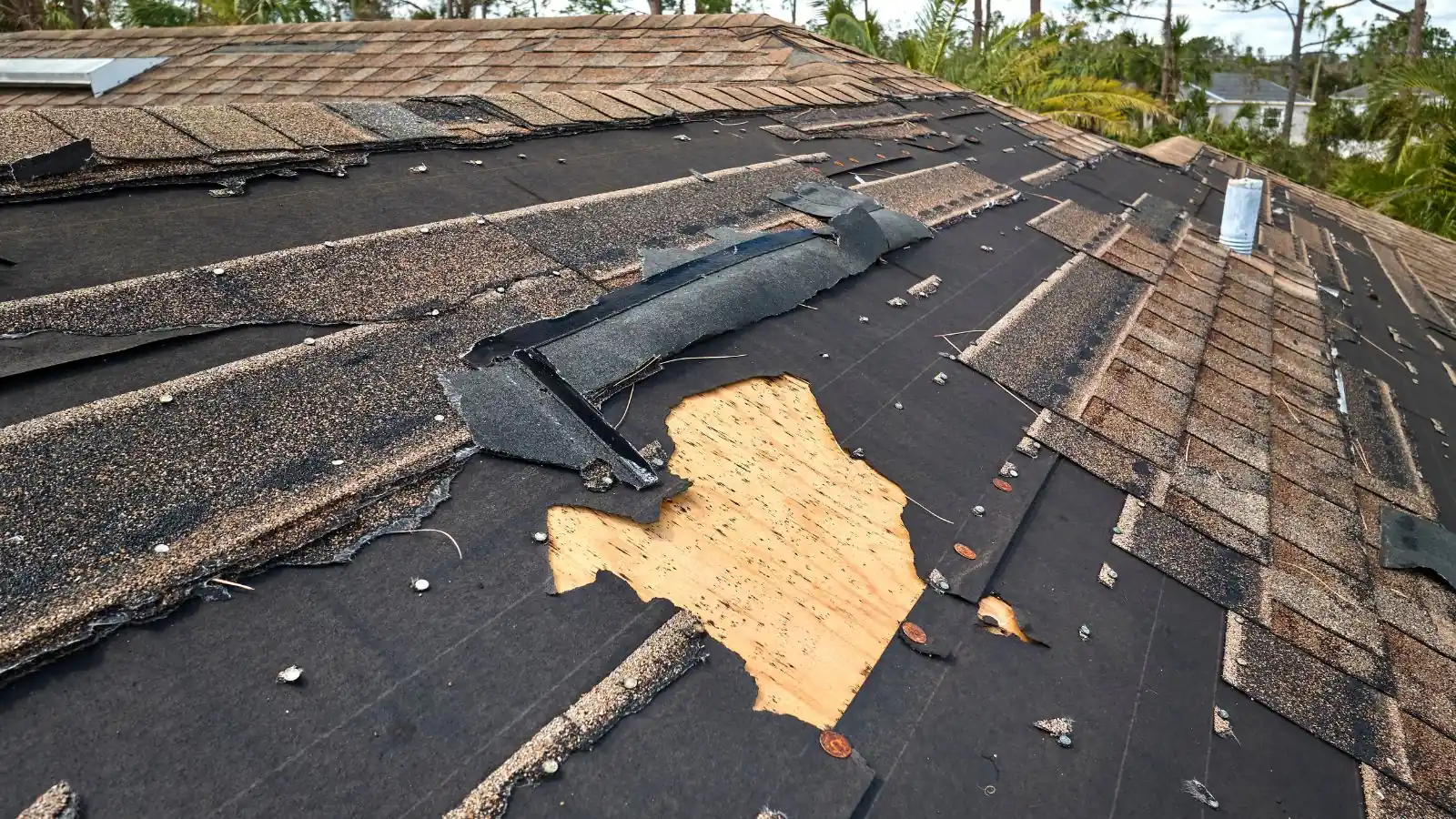
Storm Water Damage in Highland Park
Storms can send water into a home from several directions at once. Wind-driven rain can enter around windows, wet attics through damaged shingles and flood a basement through window wells and foundation walls.
Highland Park sits on the Lake Michigan shore, so storms can arrive with strong wind off the lake. The ravines and bluffs concentrate runoff, and some lots see water move fast toward lower ground.
Our crews handle the water side of storm damage: extraction, drying and removal of wet materials. Roofing and structural repairs belong to specialist contractors.
How Storm Water Gets In
Different entry points call for different responses.
Damaged shingles and flashing
Rain gets under roofing and wets insulation and ceilings.
Window and door leaks
Wind-driven rain can push past seals and soak walls and floors.
Window wells and foundation
Heavy runoff can overflow wells or seep through foundation walls.
Overwhelmed drains
Heavy rain can back up floor drains or sump systems.
Storm water coming in?
Call and we will advise while the storm continues.
Storm Water Cleanup Process
Make safe
We check for electrical risk and structural concerns before work begins.
Extract and protect
Water is removed and temporary protection helps prevent more intrusion.
Remove wet materials
Soaked insulation, drywall and flooring that cannot be dried are removed.
Dry and document
Equipment dries the structure and we log readings for your claim.
Emergency Storm Response Before the Weather Passes
Storm losses often happen in the middle of the night. If water is entering, place buckets, move furniture, and keep clear of ceilings that bulge.
The line is open 24/7 and we can advise while the storm continues. When it is safe, photograph damage inside and outside.
Do not climb onto a wet or damaged roof. A roofer can tarp it once conditions allow.
Storm Loss Types and Who Handles Them
| Damage | Our role | Other contractor |
|---|---|---|
| Interior water from roof leak. | Extract and dry. | Roofer repairs roof. |
| Flooded basement. | Extract, remove, dry. | Drainage contractor if needed. |
| Wet insulation. | Remove and dry cavity. | Insulation contractor. |
| Broken window. | Dry interior. | Glass contractor. |
Storm Damage and Insurance
Wind and hail damage is usually handled differently from flood.
Illinois guidance says standard policies commonly exclude flood. Wind-driven rain entering through a storm-created opening is usually treated differently from rising water.
Photograph everything, keep receipts and file promptly.
Wind-Driven Rain Through a Window
A summer storm can push rain sideways through a window or door seal. The homeowner sees a wet sill and assumes the problem is small. Behind the trim, water may have run into the wall and under the floor.
A moisture check shows the real extent. We dry the wall, lift wet baseboards and check the floor under the window. If insulation is wet, it comes out.
A glazier or window installer handles the window itself. We handle the water the storm left inside.
After the Storm: Documentation and Next Steps
Photograph everything as soon as it is safe. Capture the roof, the windows, the interior damage and any debris. Date the photos. Keep receipts for temporary repairs.
Call your insurer promptly. Illinois guidance advises filing soon after a loss. Wind and hail damage is usually handled differently from flood, so describe what actually happened.
Highland Park's bluffs and ravines can make storm effects uneven from one street to the next. A neighbor with no damage does not mean your property is fine. See also our ceiling water damage page.
Storm Day Checklist for Homeowners
Use it before and after severe weather.
- Move valuables above floor level in the basement.
- Clear gutters, downspouts and window wells.
- Test the sump pump and check the backup.
- Know your main shutoff and breaker panel.
- Photograph rooms before a storm for comparison.
- Save the 24/7 line in your phone.
Safety Steps Before Help Arrives
These steps keep people safe while a crew is on the way.
- Do not enter standing water near the electrical panel, outlets or a plugged-in sump pump.
- Turn off power at the breaker only if the panel and the floor around it are dry.
- If you smell gas or see damaged wiring, leave and call the utility or emergency services.
- Keep children and pets out of wet areas until a crew has checked them.
- Do not use a household vacuum on standing water.
Standards and Sources We Use
Our approach follows the general framework of ANSI/IICRC S500, the published standard for professional water damage restoration. The insurance notes on this page reflect guidance from the Illinois Department of Insurance.
Storm Damage Questions in Highland Park
Do you handle storm water emergencies at night or on weekends in Highland Park?
Yes. The line is open 24/7 including storm nights.
Can you tarp a roof?
We focus on interior water cleanup. A roofer handles roof repairs and tarping.
What if my basement flooded?
See our basement page. We extract and dry the space.
Should I wait until the storm ends?
Call during the storm for guidance. Work begins when conditions are safe.