
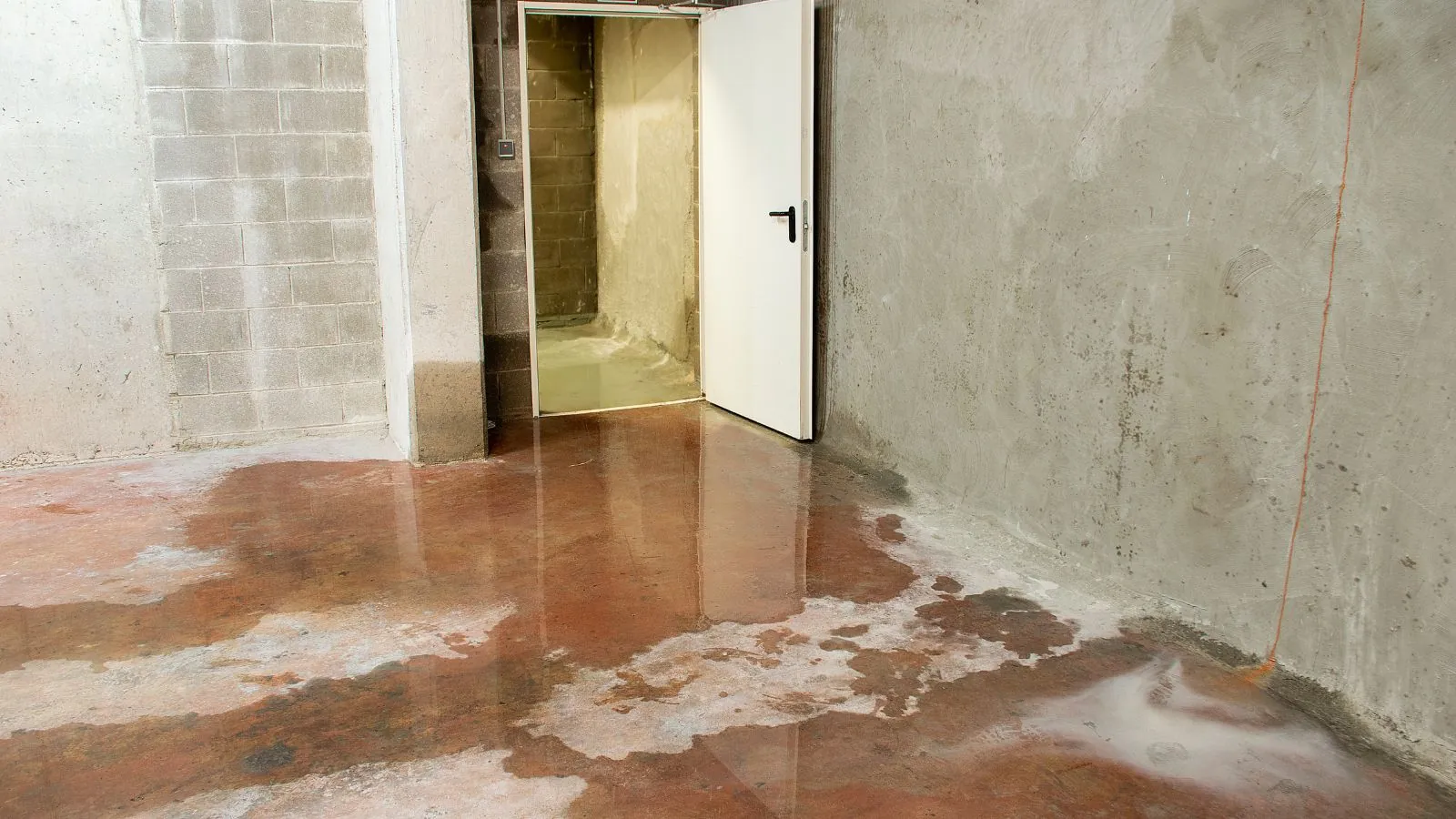
Basement Water Damage in Highland Park Homes
Basements are below grade, so water finds them first. Heavy rain, a failed sump pump, a foundation crack or a plumbing leak can all put water on a basement floor.
Highland Park has ravines, bluffs and floodplain areas along the Skokie River and the Middle Fork of the North Branch Chicago River. Lots near these features can see more groundwater pressure after storms.
Many homes here also have finished basements, which means carpet, drywall and stored belongings are at risk. We extract water and dry the structure to limit the damage.
How Water Enters a Basement
Knowing the path helps with prevention.
Sump pump failure
A pump that fails during a storm lets groundwater rise.
Foundation cracks and floor joints
Water seeps through cracks under pressure.
Window wells
Clogged or overflowing wells let water into basement windows.
Plumbing leaks
Supply or drain lines can release water from above or within walls.
Basement flooding now?
Stay safe and call. The 24/7 line is open.
Our Basement Cleanup Process
Safety check
We check for electrical hazards and confirm the water source.
Extract water
Submersible pumps and extractors remove standing water.
Remove wet materials
Carpet, pad, wet insulation and low drywall are removed when necessary.
Dry and monitor
Equipment runs until readings show dry targets.
Emergency Basement Cleanup After Heavy Rain
After a major storm, many basements flood at the same time. Calling early helps. If the water is deep, stay out and avoid the electrical panel.
Our line is open 24/7. Basement losses often start overnight when a pump fails during a storm.
Do not use household vacuums on standing water. Move boxes and furniture to dry areas and photograph the loss.
Basement Water Sources and Next Steps
| Source | Clue | Next step |
|---|---|---|
| Sump pump failure. | Water from the pit area. | Extract, then service the pump. |
| Groundwater seepage. | Wet along walls and floor joint. | Extract and review drainage. |
| Sewer backup. | Water from floor drain. | Treat as contaminated. |
| Plumbing leak. | Water near pipes or fixtures. | Shut off water and call a plumber. |
Basement Flooding and Insurance
Coverage for basement water depends on how the water arrived.
Illinois guidance says standard policies commonly exclude flood and seepage. Sewer or sump backup is often an optional endorsement.
We document the loss. Your insurer decides coverage.
A Sump Pump That Quit During a Storm
A common call comes after a heavy storm. The power flickers, the sump pump stops or cannot keep up, and water rises from the pit. In a finished basement, that means wet carpet, wet drywall and stored items at risk.
We extract the water, remove wet materials that cannot be saved and set up drying. If the pump failed, a plumber or a drainage contractor can service it. Consider a battery backup for the next storm.
Photograph the high-water line on the walls. It shows how deep the water got and helps with insurance conversations.
Ravines, Slopes and Basement Risk in Highland Park
Highland Park's ravines and bluffs carry storm water toward the lake. Houses at the bottom of a slope can see water at foundation walls and window wells. Houses near the Skokie River and the Middle Fork of the North Branch Chicago River sit in or near mapped floodplain.
The city requires that no structure be built within 125 feet of the center line of a channel, which shows how seriously it treats stream corridors. For your own lot, check grading, downspouts and window wells before the next storm.
Water that arrives through a floor drain is a different problem. See sewage backup cleanup.
Safe First Steps in a Wet Basement
Follow these while you wait for the crew.
- Stay off wet floors if outlets or appliances are submerged.
- Turn off power at the panel only if the panel and floor are dry.
- Move boxes and furniture to dry areas.
- Keep children and pets away from the water.
- Photograph the water line on the walls.
- Do not use household vacuums on standing water.
Safety Steps Before Help Arrives
These steps keep people safe while a crew is on the way.
- Do not enter standing water near the electrical panel, outlets or a plugged-in sump pump.
- Turn off power at the breaker only if the panel and the floor around it are dry.
- If you smell gas or see damaged wiring, leave and call the utility or emergency services.
- Keep children and pets out of wet areas until a crew has checked them.
- Do not use a household vacuum on standing water.
Standards and Sources We Use
Our approach follows the general framework of ANSI/IICRC S500, the published standard for professional water damage restoration. The insurance notes on this page reflect guidance from the Illinois Department of Insurance.
Basement Water Questions in Highland Park
Do you handle basement flooding emergencies at night or on weekends in Highland Park?
Yes. The line is open 24/7 including storm nights.
Can I wait for the water to go down by itself?
Waiting lets water soak into walls and flooring. Extract as soon as it is safe.
Does the city pump basements?
Leaks on private property are the owner's responsibility. Public Works handles public mains and sewers.
What if the water came from the floor drain?
Treat it as contaminated and see our sewage page.