
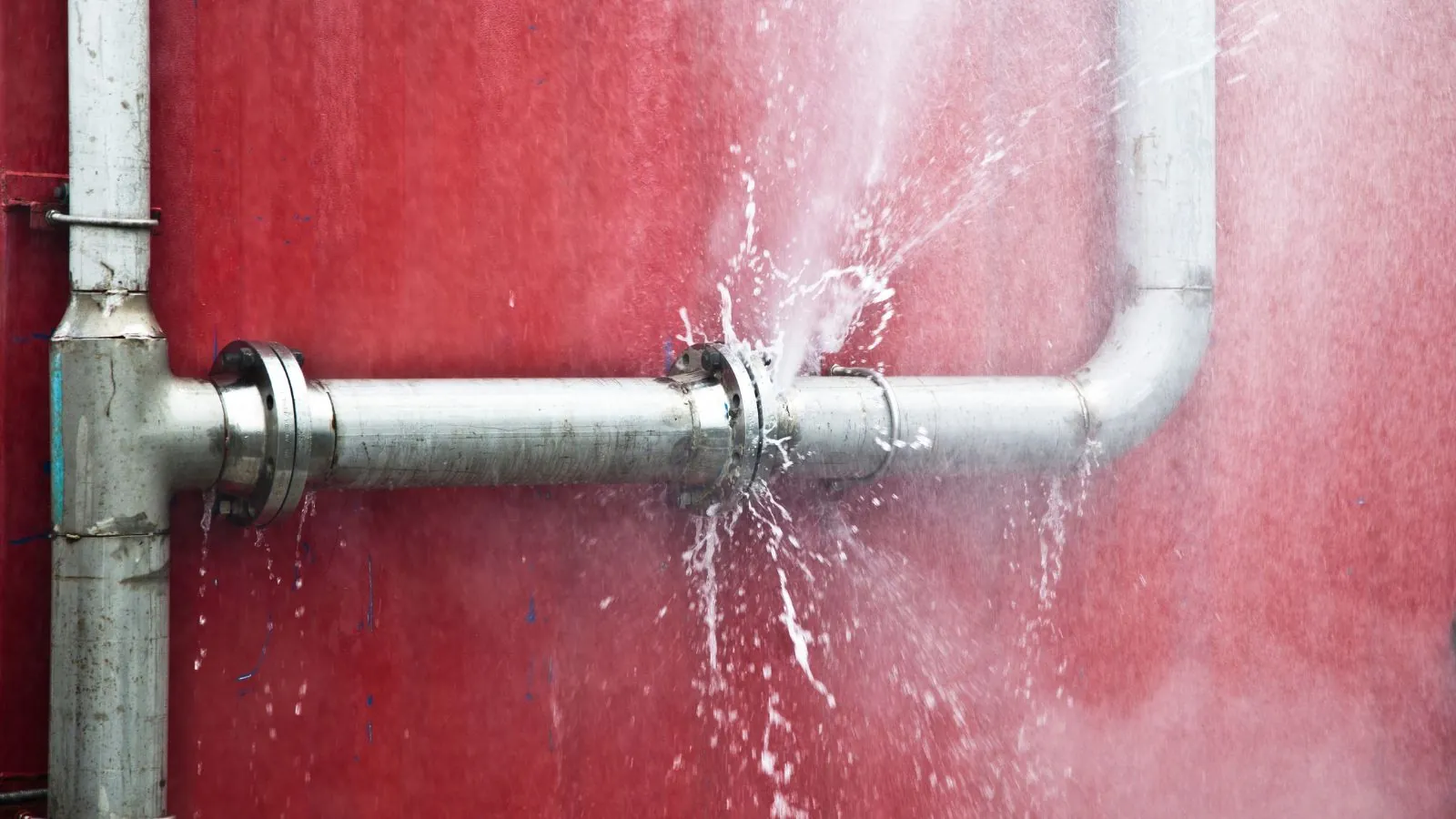
Burst Pipe Damage in Highland Park Homes
When a pipe bursts, the water supply keeps pushing until someone closes a valve. That is why the first move is the main shutoff, usually near the water meter in the basement or utility room. Water lines inside the home are the owner's responsibility, not the city's.
The city of Highland Park runs its own Water Plant and delivers Lake Michigan water through public mains. Private service lines and house plumbing past the meter belong to the property owner. If you cannot find or close your shutoff, call Public Works for help with the street-side valve.
Once the water stops, the job becomes extraction and drying. Our crews begin with water extraction, then move to controlled drying and a written scope.
Where Burst Pipes Hide in a House
The visible puddle is only part of the story. Pipes fail inside walls, above ceilings and under floors.
Behind finished walls
A slow break in a wall cavity may show only as a stain or soft paint until the drywall is wet through.
Above ceilings
Water collects on drywall until it sags, then releases all at once into the room below.
Under cabinets
A failed supply line or fitting can run for hours inside a vanity or kitchen base before anyone sees it.
Under slab floors
A break below a concrete floor shows up as damp spots, warm patches or a constant sound of running water.
Water still running?
Close the main shutoff, then call. The 24/7 line is open now.
From Shutoff to Dry: Our Burst Pipe Process
Shut off water and power safely
Close the main shutoff. If water is near the panel, do not enter. Call and we will advise.
Find the wet zone
Moisture meters and thermal imaging track water through walls, ceilings and floors.
Extract and open up
We remove standing water, then open wet drywall or ceiling sections so cavities can dry.
Dry and monitor
Air movers and dehumidifiers run while moisture readings are logged until materials reach dry targets.
Emergency Response Matters Most in the First Hours
A burst pipe loss is one of the fastest moving problems a home can face. Water soaks drywall quickly, wicks into insulation, and reaches the subfloor in rooms below.
Our line stays open overnight, on weekends and on holidays, because pipes do not break on a schedule. Cold snaps off Lake Michigan and aging copper both add risk across Highland Park.
While you wait, move furniture and valuables to dry areas, open cabinet doors under affected sinks, and photograph the damage before cleanup. Do not run ceiling fixtures that hold water.
What Shapes a Burst Pipe Cleanup
| Factor | What we look at | Why it matters |
|---|---|---|
| Run time. | How long water flowed before shutoff. | Longer runs reach more rooms. |
| Location. | Wall, ceiling, slab or exposed pipe. | Hidden breaks need more opening up. |
| Materials. | Drywall, plaster, hardwood, carpet. | Each material dries differently. |
| Number of floors. | Water often reaches rooms below. | More rooms mean more equipment. |
We explain scope and price before work starts. Plumbing repairs themselves are handled by a licensed plumber.
Documenting a Burst Pipe for Your Insurer
Photos, dates and moisture readings make claims easier to review.
Take wide and close photos before cleanup, keep damaged items until your adjuster says otherwise, and save receipts. We provide written drying logs and a scope summary you can send along.
Coverage decisions belong to your insurer. If you want licensed help with a claim, Illinois requires public adjusters to hold a license.
A Burst Pipe Under a Sink: What We Usually Find
A common call is a supply line or fitting that fails under a bathroom or kitchen sink. The homeowner hears running water or finds a wet cabinet. By then, water has often reached the cabinet floor, the wall behind it and the flooring beside it.
We start with extraction, then check the cabinet base, the toe kick and the wall below the counter. Particleboard cabinet boxes swell quickly. If the water ran for a long time, the flooring and subfloor under the cabinet may be wet too.
Our job is the water damage. The plumber repairs the supply line. We coordinate with whoever is on site so the pipe is fixed and the wet area is dried in the same visit where possible.
What to Do While You Wait for Help
Close the main shutoff and open a faucet on the lowest floor to drain the lines. That relieves pressure and reduces how much water can still escape. If the leak is in the ceiling, move furniture out from under it and keep clear of any bulge.
Photograph the damage before you move things. Wide shots show the extent. Close shots show the source. Keep damaged materials for your adjuster until they say otherwise.
Do not run heat lamps or space heaters near wet walls. They dry the surface and risk fire without drying the cavity. Controlled drying with meters and dehumidifiers is both safer and more thorough.
Safety Steps Before Help Arrives
These steps keep people safe while a crew is on the way.
- Turn off the water at the main or the fixture valve if you can reach it safely.
- Do not touch outlets, switches or appliances that are wet or standing in water.
- Stay out from under a bulging ceiling or a sagging section of wall.
- Do not use ceiling fixtures or fans that have water in them.
- Photograph the damage before moving anything, and keep damaged items for your insurer.
Standards and Sources We Use
Our approach follows the general framework of ANSI/IICRC S500, the published standard for professional water damage restoration. The insurance notes on this page reflect guidance from the Illinois Department of Insurance.
Burst Pipe Questions We Hear in Highland Park
Do you handle burst pipe emergencies at night or on weekends in Highland Park?
Yes. We answer 24/7, including holidays. Call and the dispatcher will arrange a crew and help you with first steps.
Who fixes the pipe itself?
A licensed plumber repairs the pipe. We handle water removal, drying and the damaged building materials, and we can work alongside your plumber.
How do I know if water got inside the walls?
Look for bubbling paint, soft baseboards, a musty smell or a warm damp wall. A moisture meter gives the real answer, because wet drywall can look normal.
Is the city responsible for a burst pipe inside my house?
No. Public Works handles public mains. Leaks on private property are the owner's responsibility.