
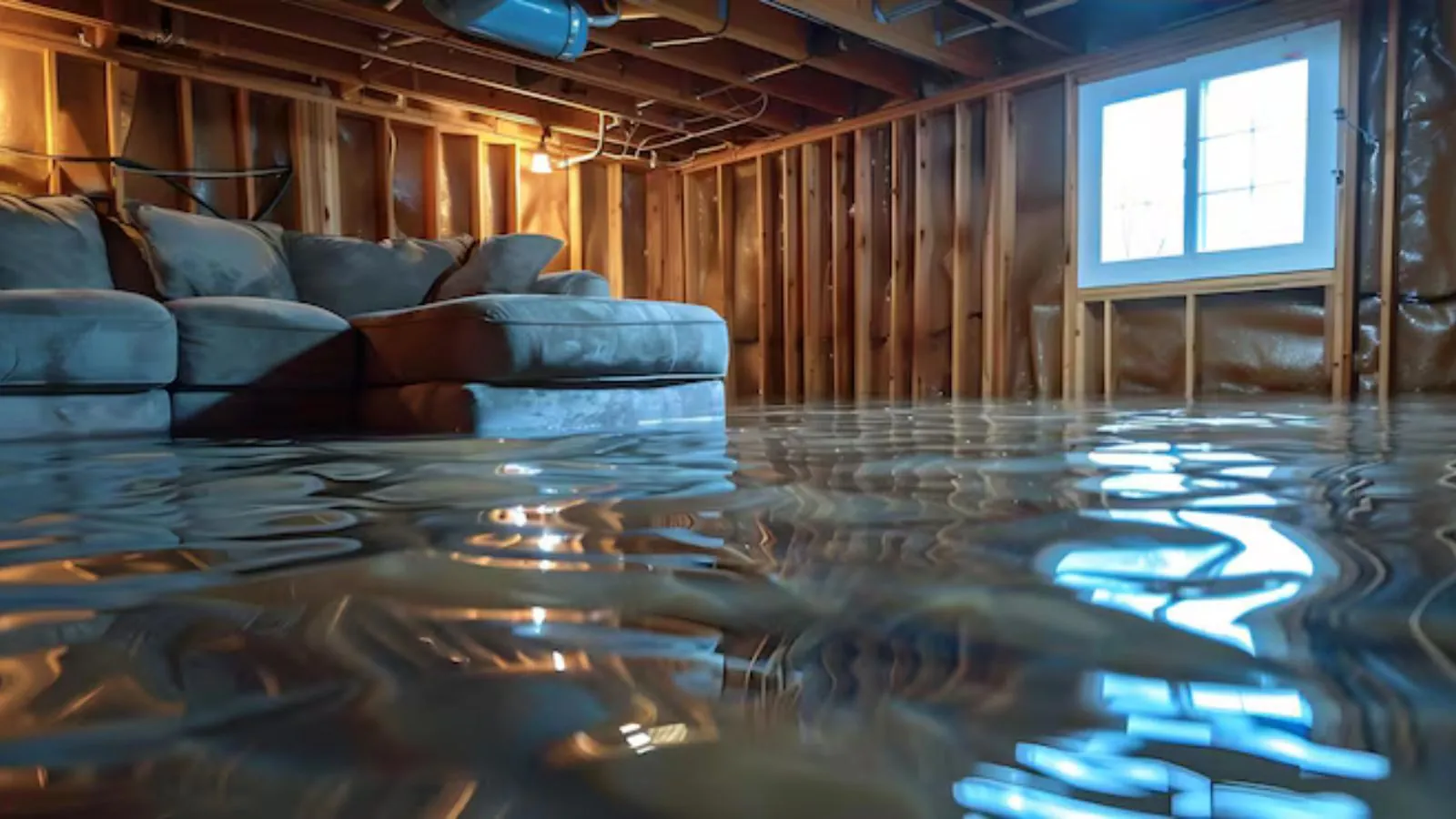
Where the Categories Come From
The ANSI/IICRC S500 standard for professional water damage restoration describes three categories of water based on contamination. The categories guide decisions about protective gear, cleaning and which materials are removed.
The category can also change over time. Clean water that sits for days in a warm space can become more contaminated as microbes grow. That is another reason speed matters.
This article is a plain-language summary. The standard itself is the authority, and a trained crew applies it on site.
The Three Categories at a Glance
| Category | Typical source | Typical handling |
|---|---|---|
| Category 1. | Supply line, tank overflow, rain through a roof. | Dry most materials, remove soaked pad. |
| Category 2. | Washer or dishwasher discharge, toilet overflow without feces. | Clean and dry, remove porous materials. |
| Category 3. | Sewage, river or ground-surface flood water. | Remove porous materials, clean and disinfect. |
A trained crew confirms the category on site.
What Each Category Means in Practice
Category 1: clean
Water from a sanitary source. Drywall, carpet and wood may be saved when dried quickly.
Category 2: gray
Water with some contamination. Carpet and pad are usually removed, while framing is cleaned.
Category 3: black
Water with serious contamination. Porous materials come out and surfaces are disinfected.
Changes over time
Delay can move water to a higher category.
Water damage right now?
Call the 24/7 line. We explain scope and price before work starts.
Why Category Changes the Plan
Category 1 water gives you the most options. A burst pipe in a bedroom, caught the same day, may leave carpet and drywall that can be dried. The same pipe leak left for a week becomes a larger problem.
Category 3 water changes the job entirely. Porous materials cannot be cleaned reliably, so they are removed. Crews wear protective equipment and work to contain spread.
How a Crew Identifies the Category
Trace the source
Where did the water come from and what did it touch?
Observe and measure
Look at color, odor, debris and time since the loss.
Test when needed
Where the source is unclear, treat it cautiously until clarified.
Document
Record the category with photos and notes for your insurer.
Highland Park Local Note
Highland Park lies along the Skokie River and the Middle Fork of the North Branch Chicago River, where mapped floodplain areas are typically labeled Zone A. Water that comes from a river or from ground-surface flooding is generally treated as Category 3.
The city lined its sanitary sewer mains as part of its flood work, and it runs a voluntary lateral cost-sharing program, which can reduce sewer-related Category 3 events.
Source: City of Highland Park Engineering Division floodplain and sewer program information.
Insurance and the Water Category
The category and the source often decide coverage.
Illinois Department of Insurance guidance notes that standard policies exclude flood and that sewer backup is usually an optional endorsement. A Category 3 loss from sewer backup may be uncovered without that endorsement.
For detail on common sources, see sewage backup cleanup and flood damage cleanup.
Why the Categories Matter for Your Wallet
The category affects labor, protective gear, disposal and the amount of material that is removed. A Category 1 loss may need only extraction and drying. A Category 3 loss may require removing flooring, drywall and insulation and disinfecting what remains.
That is why two losses of the same size can cost very different amounts. The size of the wet area is only one factor. The source of the water matters just as much.
Insurance also tracks the category. A Category 3 loss from sewer backup may be excluded without an endorsement, while a Category 1 loss from a burst pipe may be covered.
Classes of Water Loss Are a Different Idea
People sometimes confuse categories with classes. Categories describe contamination. Classes describe how much water is present and how fast it is likely to evaporate, based on how many materials are wet and how porous they are.
Class 1 is the smallest loss with low-porosity materials. Class 4 involves deep saturation in dense materials such as hardwood, plaster and concrete, which needs specialized drying.
A single job has both a category and a class. For example, a clean-water basement loss with wet framing might be Category 1 and Class 3. Our pages on structural drying and sewage backup cleanup give more examples.
An Example: One Pipe, Two Categories Over Time
A supply line in an upstairs bath fails on a Friday evening and floods a bathroom. The owner is away until Monday. Over the weekend, water runs into the ceiling below and stays warm and wet.
By Monday, the water is no longer as clean as it was. Microbial growth has started, and the crew may treat it as a higher category. A same-day response would have kept it at the first level.
The category is a snapshot of the conditions at the time of the assessment, not a label that was fixed at the start.
Signs a Water Source May Be Contaminated
If you see any of these, treat the water cautiously.
- It came from a floor drain, toilet or sewer line.
- It came from outside, such as a river or runoff.
- It has a strong odor or visible debris.
- It sat for days in a warm space.
- It touched soil, sewage or chemicals.
- You are not sure where it came from.
Why Protective Steps Differ by Category
Crews wear gloves, boots and eye protection for every job. For Category 2 and 3 losses, they add respirators, coveralls and more careful containment. Waste is bagged and handled differently. The extra steps reduce the chance of spreading contamination through the home.
You can help by staying out of the work area and keeping children and pets away. Do not walk through the water and then into clean rooms. Wash hands after contact.
If you are worried about exposure or health effects, talk with a medical professional. We do not offer health advice, and we focus on safe cleanup practices and clear communication.
Standards and Sources
Our approach follows the general framework of ANSI/IICRC S500, the published standard for professional water damage restoration. The insurance notes on this page reflect guidance from the Illinois Department of Insurance.
Water Category Questions in Highland Park
Is basement flood water in Highland Park Category 3?
Water from a river overflow or ground-surface flooding is generally treated as Category 3.
Can Category 2 carpet be saved?
Sometimes the carpet can be cleaned while the pad is removed. A crew decides on site.
Does a toilet overflow count as Category 3?
It depends on whether solid waste is involved. A crew assesses it.
Can I tell the category by looking?
Not reliably. Clear water can carry contamination.
What to Do Until a Crew Arrives
Keep people and pets out of the affected area if the source may be contaminated. Avoid walking through it, and do not run household fans that spread air across the wet area.
We serve Glenview, Glencoe and Highwood as well as Highland Park, and the category rules are the same everywhere.