
Why This Decision Is Hard
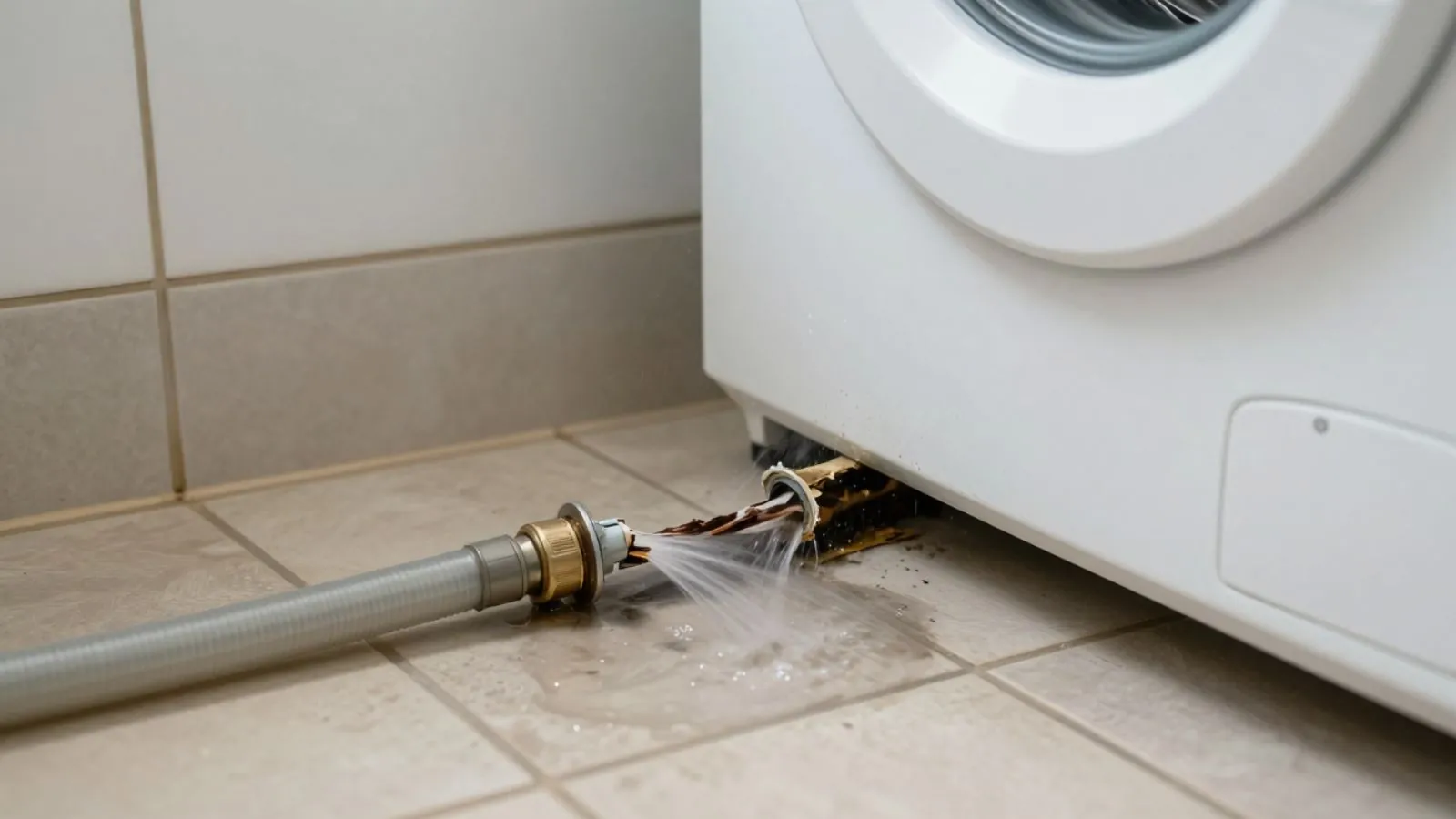
A small leak that costs a few hundred dollars to dry and repair may be below your deductible. Filing a claim in that case may not pay anything. It can also affect how your insurer views your property in the future.
On the other hand, a small visible leak can hide a larger problem. Water that reached a wall cavity or a subfloor may cost far more than it looks. That is the reason to measure before deciding.
This guide is general information and not insurance advice. Talk with your agent about your policy.
A Simple Decision Framework
| Question | If yes | If no |
|---|---|---|
| Is the repair cost clearly below your deductible? | A claim may pay nothing. | A claim may be worth considering. |
| Is the damage confined to one dry-able area? | Cost likely stays small. | Scope may grow. |
| Is the source repaired and verified? | Risk of repeat is lower. | Risk of ongoing damage. |
| Could hidden moisture remain? | Measure first. | Lower risk. |
| Is the loss from a sudden event? | May fit coverage. | Seepage may be excluded. |
What to Do Before You Decide
Stop and document
Shut off the source and photograph everything.
Measure the damage
Moisture meters show whether water reached walls or floors.
Get a scope
A written scope tells you the likely cost to compare with your deductible.
Ask your agent a question, not a claim
Ask how a claim would be treated before you file.
Water damage right now?
Call the 24/7 line. We explain scope and price before work starts.
Highland Park Local Note
The Illinois Department of Insurance notes that standard homeowners policies commonly exclude maintenance-related seepage and flood. The department also says to file promptly when you do have a covered loss.
In Highland Park, the owner is responsible for leaks on private property, so the repair and any cleanup costs are yours unless your policy responds.
Sources: Illinois Department of Insurance consumer guidance, City of Highland Park Public Works materials.
Why Documenting Still Matters Even If You Do Not File
Keep photos, receipts and readings. If hidden damage appears later, you will want proof of what happened and when. Many policies set deadlines for reporting a loss, so a quick call to your agent can protect your options.
If your leak came from an appliance, read our guide to appliance leak water damage. If it came from a roof or ceiling, see ceiling water damage repair.
A Note on Public Adjusters
Illinois requires public adjusters to be licensed.
The Case for Filing, Even for Small Losses
There are reasons to file even a modest claim. If the damage is bigger than it looks, a claim opens the door to coverage for work you did not expect. If your policy requires prompt notice, calling quickly protects your rights. And if the cost is close to your deductible, a claim may still be worth it.
A report to the insurer is not always the same as a claim. Some policies treat an inquiry differently from a filed claim. Ask your agent how your insurer handles each.
Remember that the Illinois Department of Insurance advises filing promptly when you have a covered loss. Delay can create problems even for losses that look small.
The Case for Handling It Yourself
If a leak is clearly small, confined and fully dried, and the repair is below your deductible, handling it yourself may make sense. Keep records anyway. Photos, readings and receipts can help if something shows up later.
Avoid deferring repairs, though. A small leak that is not fixed turns into a larger one, and insurers may treat it as neglect. Fix the source, dry the area and verify.
In Glenview and Highwood, where homes vary from midcentury to much older, the age of the plumbing can change the odds of a repeat leak. Consider replacing aging hoses and fittings while the area is open.
An Example: A Small Ceiling Stain That Was Not Small
A homeowner finds a ceiling stain the size of a dinner plate under a bathroom. A plumber replaces a worn fitting, and the owner considers the matter closed. A moisture check shows that insulation above the ceiling is soaked and a joist is damp.
The repair cost now includes opening the ceiling, drying the cavity and replacing drywall and insulation. It is still moderate, but it is larger than the stain suggested. If the owner had filed a claim only on the stain, the scope could have been missed.
A moisture reading gives you a more accurate basis for the decision.
Documents Worth Keeping Even If You Skip the Claim
A small file can save you later.
- Dated photos of the leak and the damage.
- The plumber's invoice and notes on the cause.
- Moisture readings from before and after drying.
- Receipts for materials and labor.
- Notes on who you spoke with and when.
- A copy of your policy declarations page.
Talking to Your Agent Without Starting a Claim
You can ask general questions about your policy without describing a specific loss. Ask how deductibles work for water losses, how small claims are treated and what your policy requires for notice. Keep notes of what is said.
If you do describe a specific loss, ask whether it will be recorded as a claim. Some insurers log inquiries. The answer may vary, so ask directly.
No single rule fits everyone. A short, honest conversation with your agent, along with a written scope and moisture readings, gives you what you need to make the call.
Standards and Sources
Our approach follows the general framework of ANSI/IICRC S500, the published standard for professional water damage restoration. The insurance notes on this page reflect guidance from the Illinois Department of Insurance.
Small Leak Claim Questions in Highland Park
Can filing a small claim raise my premium?
It can affect your record with the insurer. Ask your agent before filing.
What if I find damage after I decided not to file?
Contact your insurer promptly. Reporting deadlines can apply.
Do I have to use the contractor my insurer suggests?
Policies vary. Ask your insurer what it requires.
Is a plumber's repair covered?
The pipe repair itself is often not, while resulting damage may be.