
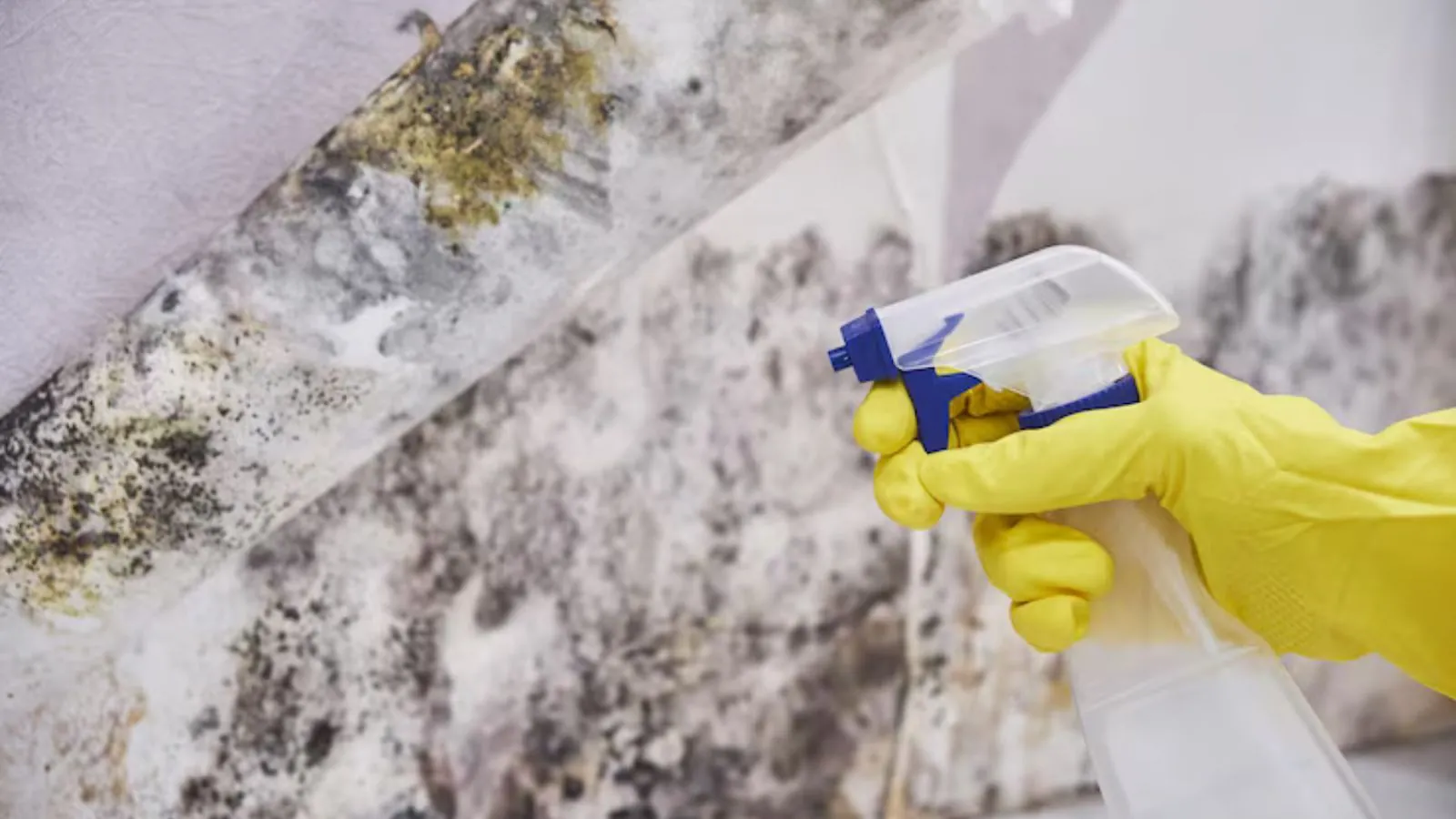
What Clearance Testing Is
Clearance testing is an inspection and sampling done after remediation to check whether the work area meets a target. It is performed by a separate third party, not by the crew that did the cleanup. That separation is the point, since it gives an independent check.
The industry reference for mold remediation is ANSI/IICRC S520. It is a published standard, and we mention it as a reference, not as a claim about our own certification.
A passing result is only as good as the sampling plan behind it. Ask the assessor what will be sampled and against what baseline.
How the Process Usually Runs
Initial assessment
An independent assessor inspects the home and writes a remediation protocol.
Remediation
A remediator follows the protocol, controlling moisture and removing affected materials.
Clearance inspection
The assessor checks visual cleanliness and moisture levels.
Sampling where specified
Air or surface samples are taken and sent to a lab.
Report
The assessor writes a report that buyers or lenders can read.
Who Does What
| Role | Task | Independence |
|---|---|---|
| Assessor. | Writes the protocol and performs clearance. | Should be separate from the remediator. |
| Remediator. | Does the containment and removal. | Works from the protocol. |
| Lab. | Analyzes samples. | Independent. |
| Homeowner or agent. | Shares reports with buyers or lenders. | Keeps records. |
Water damage right now?
Call the 24/7 line. We explain scope and price before work starts.
Illinois Registration and Why It Matters
Illinois passed the Mold Remediation Registration Act, Public Act 103-0893. The Illinois Department of Public Health states that it requires third-party certification and registration with the department for those doing remediation, effective January 2025.
For a sale or loan, ask whether your assessor and remediator meet those requirements and keep copies of the paperwork. A buyer's attorney may ask for it.
Highland Park Local Note
Highland Park's housing is largely owner-occupied, about 83.7 percent according to the Census Bureau, and the median owner-occupied value is $594,400. In a market with those values, documentation can matter a lot during a sale.
The city's Building Division handles permits if remediation leads to rebuilding, so keep permit records with your clearance report.
Sources: U.S. Census Bureau QuickFacts, City of Highland Park Building Division.
Do Not Skip the Moisture Fix
A clean report does not last if moisture returns.
Fix leaks, service sump pumps and keep humidity moderate. Keep your drying logs with your clearance report.
For the work itself, see mold remediation and structural drying.
Questions Buyers and Lenders Commonly Ask
Buyers want to know whether the problem is gone and whether it can return. Lenders want documentation that the property is in good condition. Both are satisfied by clear paperwork: the original assessment, the remediation protocol, the drying logs and the clearance report.
Sellers can make the process smoother by organizing records in one folder. Include permits for any rebuilding work and invoices for the repairs.
If a buyer's inspector finds growth after you thought it was resolved, calm documentation helps. A dated report from an independent assessor carries more weight than a verbal assurance.
Costs and Timing Without Surprises
We do not quote prices in this article, because they depend on the size of the area and the sampling plan. Ask the assessor for a written proposal that lists what will be inspected and sampled.
Timing depends on the lab. Some labs return results in a few days, though rush options may exist. Plan for that wait when you set a closing date.
If clearance fails, the fix is usually a targeted re-clean and re-test. Keep expectations realistic and build in a margin. See also our pages on mold remediation and Glencoe service details.
An Example: A Closing With a Moisture History
A seller finds mold in a basement wall before listing. An independent assessor writes a protocol, a remediator removes the affected drywall and dries the framing and the assessor performs clearance. The seller adds the report and the drying logs to the disclosure packet.
The buyer's agent reads the file and sees a documented cause, a documented fix and an independent check. The conversation moves quickly to other items on the inspection list.
Paperwork cannot fix a problem, but it makes a fixed problem easier to trust.
Documents to Gather for a Buyer or Lender
Collect these in one folder.
- The assessor's initial report and protocol.
- The remediation scope and invoice.
- Drying logs and moisture readings.
- The clearance report and lab results.
- Permits for any rebuilding work.
- Photos from before, during and after the work.
Why Independence Matters
The point of clearance is that someone without a stake in the remediation checks the work. If the same company cleans and certifies, there is a conflict. That is why many protocols separate the roles.
An independent assessor also writes the plan before work starts. That plan tells the remediator what to remove, how to contain the work and what the end target is. At the end, the assessor checks the work against the plan.
For a buyer or lender, that separation is persuasive. It shows the checking was done by someone who had no reason to say the job was finished unless it was. We support that approach and do not perform clearance on our own work.
When a Buyer Asks for More Than a Report
Sometimes a buyer wants a second opinion. Welcome it. A second assessor reaching the same conclusion strengthens the file. If the second opinion differs, ask for the details and review them with your first assessor.
Keep communication calm and factual. The goal is to reach a clear shared understanding of the property's condition.
Safety Steps Before You Act
Keep these basics in mind while you decide what to do next.
- Do not disturb, brush or sand visible growth.
- Do not run fans across affected surfaces.
- Keep the area closed off where you can.
- Fix the moisture source before any cleaning.
- If you have health concerns, talk with a medical professional.
Standards and Sources
Our approach follows the general framework of ANSI/IICRC S520, the published standard for professional mold remediation, and the Illinois Mold Remediation Registration Act, Public Act 103-0893, as described by the Illinois Department of Public Health. The insurance notes on this page reflect guidance from the Illinois Department of Insurance.
Clearance Testing Questions in Highland Park
Do Highland Park buyers usually ask for clearance reports?
It depends on the deal. If mold was found, buyers and lenders often ask for documentation.
Can the remediation company do its own clearance?
Independence is the point of clearance. A separate assessor is the usual practice.
What if the sample fails?
The remediator is typically asked to address the area again and the assessor re-checks.
Does testing replace fixing moisture?
No. Moisture control comes first.