
The Short Version of Water Damage Coverage
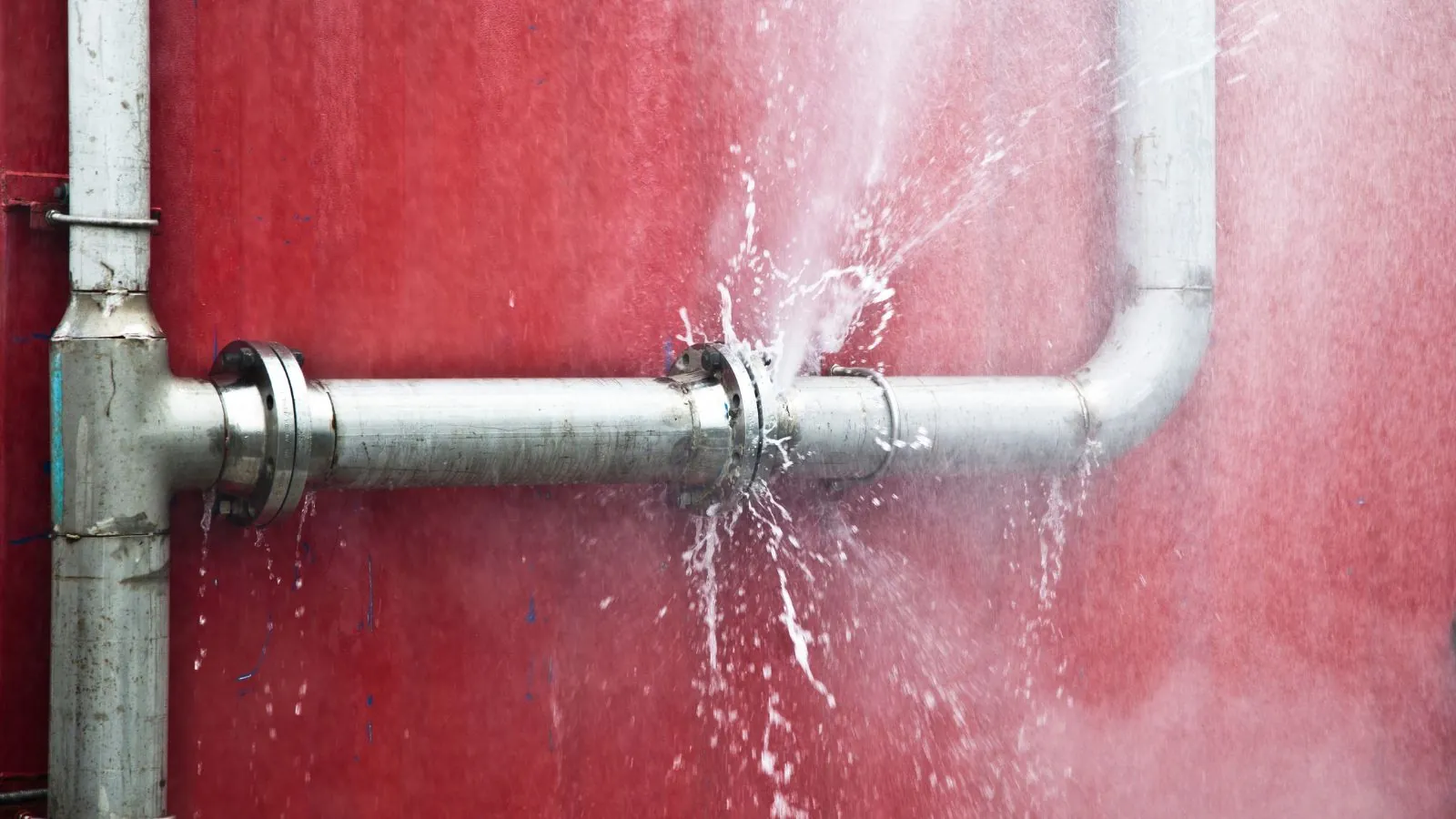
Most standard homeowners policies cover water damage that is sudden and accidental. A pipe that bursts, a water heater that fails or a washer hose that splits are typical examples. The policy usually pays to repair the home's damage, subject to your deductible and limits.
The same policies usually do not cover damage from slow leaks over time, from poor maintenance, or from flooding. The Illinois Department of Insurance describes maintenance and seepage as common exclusions, and it describes flood as excluded from standard policies.
This article is general information, not legal or insurance advice. Your own policy language controls, and your insurer decides coverage.
What Policies Commonly Do With Each Water Source
| Water source | Often covered | Common catch |
|---|---|---|
| Burst pipe. | Usually yes if sudden. | Damage from long-term leaks is often excluded. |
| Water heater failure. | Often yes if sudden. | Wear and tear of the heater itself is usually not. |
| Appliance hose failure. | Often yes if sudden. | Slow drips are treated as maintenance. |
| Storm opening in roof. | Often yes. | Pre-existing roof wear is usually excluded. |
| Sewer or drain backup. | Only with an endorsement. | Optional coverage with its own limit. |
| Flood from rising water. | No under standard policies. | Needs separate flood insurance. |
Terms vary by insurer and policy. Read your declarations page.
Flood and Sewer Backup Are Separate Coverage
Flood insurance is its own product. Many homeowners buy it through the National Flood Insurance Program, and some buy private flood policies. Claims under the federal program are not regulated by the Illinois Department of Insurance, though the department can answer general questions.
Sewer backup is different again. It is usually an optional endorsement on a homeowners policy. If you do not have it, a basement backup may not be covered at all, even if the rest of the policy is strong.
The time to check is before a loss. Pull your declarations page and look for a water backup endorsement and its dollar limit.
Water damage right now?
Call the 24/7 line. We explain scope and price before work starts.
What to Do Right After Water Damage
Stop the water
Shut off the source if you can do so safely, then call for help.
Photograph everything
Take wide and close photos before cleanup, and keep damaged items until your adjuster says otherwise.
Call your insurer promptly
The Illinois Department of Insurance advises filing promptly. Ask what mitigation costs your policy expects.
Start mitigation
Most policies expect you to protect the property from further damage, so extraction and drying should begin quickly.
Highland Park Local Note
In Highland Park, the city's Public Works materials state that the property owner is responsible for leaks on private property. That includes the service line past the meter and all plumbing inside the home.
The city also participates in the National Flood Insurance Program and shows flood maps at the Building Division, so a Highland Park owner can check a parcel before deciding on flood coverage.
Sources: City of Highland Park Public Works and Engineering Division materials, Illinois Department of Insurance consumer guidance.
Documenting the Loss So the Claim Goes Smoothly
Insurers ask for evidence. Photos, dates, moisture readings and drying logs help show what happened and what was done. We keep a dated log of readings and equipment on every job so you have it for your adjuster.
Keep receipts for emergency services and temporary repairs. Save damaged samples if your adjuster asks. If you want a representative who works for you, Illinois requires public adjusters to be licensed, and you can confirm that with the Department of Insurance.
If your home is in a neighboring town, the same steps apply. We serve Glencoe and Winnetka as well, and policies there work the same way.
Questions to Ask Your Insurer Before You Need Them
A short call can save a lot of confusion later.
Do I have sewer or water backup coverage, and what is the limit? What is my deductible for water losses? Does my policy require me to use a particular contractor? How are slow leaks treated?
For help understanding what a drying crew does, see our pages on water extraction and structural drying.
Reading the Policy Language That Matters
Three phrases do most of the work in a water damage claim. The first is sudden and accidental, which describes events like a pipe bursting. The second is continuous or repeated seepage, which is usually excluded. The third is the named perils or open perils structure of the policy, which decides how a loss is evaluated.
Under an open perils dwelling policy, damage is generally covered unless an exclusion applies. Under a named perils policy, damage must come from a listed cause. Many modern policies use open perils for the dwelling and named perils for belongings, so the two parts of one policy can behave differently.
If a phrase confuses you, ask your agent to explain it with an example. Write the answer down with the date. That note can help later if there is a disagreement about what was promised.
A Walk Through a Typical Claim Timeline
A claim usually starts with a call to the insurer or agent. An adjuster may visit, or the insurer may ask for photos and an estimate. Emergency mitigation is normally expected right away, because delay can increase the damage. Reconstruction estimates follow once the structure is dry.
Your insurer may issue payments in stages. The first often covers mitigation and living expenses if the home is unfit. Later payments cover repairs. Keep every invoice and every conversation record.
If you disagree with a decision, ask for it in writing and review your policy's appraisal or dispute provisions. The Illinois Department of Insurance accepts consumer questions and can explain the process in general terms. We cannot decide coverage, but we can supply the readings and photos that show what happened.
An Example: Two Basements, Two Outcomes
Consider two neighbors in similar houses. The first has a water heater that fails on a Saturday. The tank empties onto a finished basement floor, and the owner calls the insurer the same day, photographs the damage and begins drying that afternoon. This looks like a sudden and accidental event, and the policy may respond.
The second has a slow drip from a fitting behind a wall. Over months, drywall softens and mold appears. When the owner files, the insurer may point to the seepage exclusion. The damage may look similar, but the cause and the timeline are different.
The lesson is not that one neighbor was careless. It is that cause, timing and documentation drive how a claim is read. Quick, well-documented action helps in every case.
A Short Checklist Before You Call Your Insurer
Having these items ready makes the call easier and the file stronger.
- Your policy number and the declarations page.
- The date and time you found the water and what you did first.
- Photos and short videos of every affected room.
- A list of damaged belongings with approximate age and value.
- Names and numbers for any plumber or contractor you called.
- A note of any mitigation work and the dried readings.
Standards and Sources
Our approach follows the general framework of ANSI/IICRC S500, the published standard for professional water damage restoration. The insurance notes on this page reflect guidance from the Illinois Department of Insurance.
Insurance and Water Damage Questions
Who is responsible for a pipe leak on my Highland Park property?
The owner. City Public Works materials say leaks on private property are the property owner's responsibility.
Should I file a claim for every leak?
Not necessarily. Compare the repair cost with your deductible and ask your agent how a claim could affect your policy.
Will my insurer pay for drying?
Many policies pay reasonable mitigation after a covered loss. Confirm with your insurer.
Does insurance cover mold after a leak?
Many policies limit mold coverage. Ask about limits before work starts.