
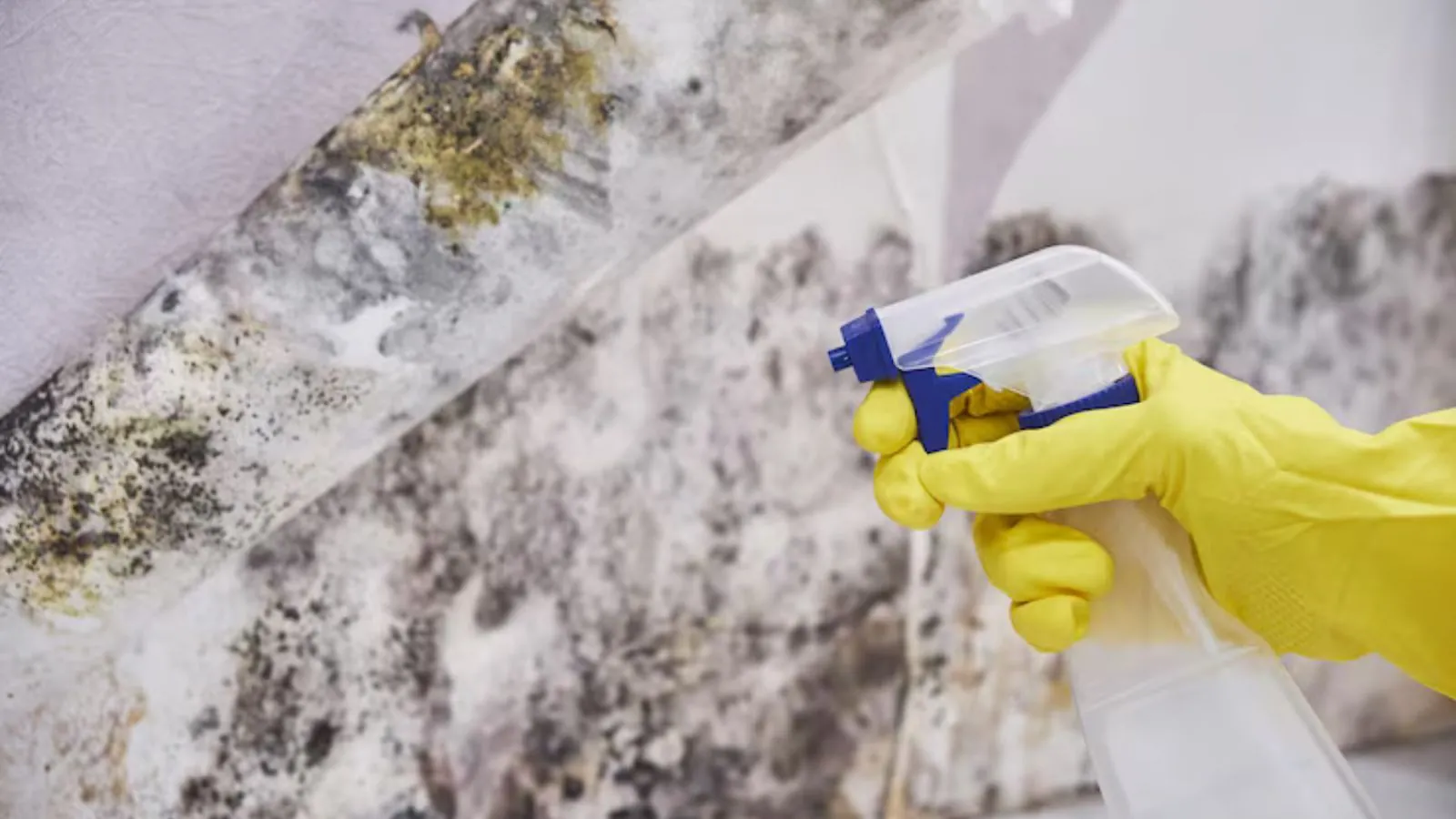
Cause Decides Coverage
Many homeowners policies cover mold only when it results from a covered cause, such as a sudden pipe burst. If mold grows from long-term humidity or a leak that was never repaired, coverage may be excluded.
Some policies set a dollar limit for mold, separate from the rest of the dwelling coverage. Others exclude it entirely unless you add an endorsement. Reading the declarations page is the fastest way to know.
This is general information and not insurance advice. Your own policy language controls.
Common Policy Patterns for Mold
| Situation | Often treated as | What to check |
|---|---|---|
| Mold after a covered pipe burst. | Possibly covered up to a limit. | Mold sublimit. |
| Mold from long-term leak. | Often excluded. | Seepage and maintenance exclusions. |
| Mold after flood. | Depends on flood policy. | Flood coverage terms. |
| Mold after sewer backup. | Depends on endorsement. | Backup endorsement. |
| Mold from high humidity. | Usually excluded. | Maintenance exclusions. |
How to Protect Your Position
Mitigate quickly
Policies expect you to limit further damage. Dry promptly after a loss.
Document
Take photos before cleanup and keep dated drying logs.
Report early
The Illinois Department of Insurance advises filing promptly.
Keep records
Save invoices, readings and reports.
Water damage right now?
Call the 24/7 line. We explain scope and price before work starts.
Highland Park Local Note
Illinois now has a Mold Remediation Registration Act, Public Act 103-0893. The Illinois Department of Public Health says it requires third-party certification and registration with the department for those performing remediation, effective January 2025.
Ask your insurer whether it requires a registered remediator, and keep the registration details with your claim file.
Source: Illinois Department of Public Health, Illinois Department of Insurance.
Why Drying Records Help a Mold Claim
If mold is found after a water loss, your insurer may ask when the loss happened and what was done. A dated drying log shows the response. Without it, the insurer may suspect neglect.
Our crews keep logs on every structural drying job. Those logs can be shared with your adjuster.
Public Adjusters and Mold Claims
Some homeowners hire help.
Illinois requires public adjusters to be licensed. Confirm a license before signing a contract. The Department of Insurance can answer general questions at its phone number, listed on its website.
See our guide to mold remediation for how the work itself proceeds.
Mold Limits and Sublimits Explained
Some policies include a sublimit for mold, which is a separate cap on what the insurer will pay for mold damage, even when the cause is covered. The cap can be much lower than the dwelling limit.
Others exclude mold except when it results from a specific covered peril. Read the exclusion carefully. Wording such as resulting from or arising from can affect how much is covered.
Your agent can tell you whether a mold endorsement is available and what it costs. Doing this before a loss is easier than after.
Working With Your Adjuster After Mold Is Found
Report promptly. Describe what you found and when. Provide photos and any drying records. Ask what documentation the insurer wants, such as an independent assessment or a remediation protocol.
Ask whether the insurer requires specific contractors. Ask who will perform clearance. Keep copies of everything you send and receive.
If the insurer denies coverage, ask for the denial in writing with the policy language cited. You can then review your options, including the Illinois Department of Insurance consumer line. For help with the work itself, see mold remediation and Lake Forest service information.
An Example: Mold After a Covered Pipe Burst
A pipe bursts in a wall on a winter morning. The owner shuts off the water, calls the insurer and arranges drying the same day. Moisture readings reach targets in a few days, and the file includes photos and logs.
A few weeks later, a small area of growth appears on the back of a baseboard. Because the original loss was a covered sudden event and the owner documented a fast response, the insurer is more likely to see the growth as part of that loss, subject to any mold limit.
A slower response would have given the insurer a reason to question coverage.
Questions to Ask Your Agent About Mold
Ask before a loss if you can.
- Does my policy have a mold exclusion or a mold limit?
- Does the limit apply to remediation, testing and repairs together?
- Does a water backup endorsement change the answer?
- What documentation do you require after a loss?
- Do you require a specific remediator or assessor?
- How long do I have to report a loss?
What We Can and Cannot Tell You
We are not an insurer or an adjuster, and we do not decide coverage. What we can do is describe what we see, measure moisture and keep records that show when the water arrived and how quickly drying started. Those records are the facts an adjuster will ask about.
We also cannot tell you whether a particular policy covers a particular loss. Two policies with similar labels can read very differently. Your agent and your policy language are the real sources.
If the claim is large or contested, you may want independent help. Illinois requires public adjusters to be licensed, and the Department of Insurance can confirm a license. Take your time with any contract, and read it fully before signing.
Keeping Your Own Record Alongside the Insurer's
Insurers keep their own files, but you should keep yours. Save every email, every letter and a short note of each phone call with the date, the person's name and what was said. If a question comes up months later, your record can settle it.
Store digital photos in more than one place. Keep paper copies of invoices in a folder. When you hand documents to anyone, keep a copy for yourself.
Safety Steps Before You Act
Keep these basics in mind while you decide what to do next.
- Do not disturb, brush or sand visible growth.
- Do not run fans across affected surfaces.
- Keep the area closed off where you can.
- Fix the moisture source before any cleaning.
- If you have health concerns, talk with a medical professional.
Standards and Sources
Our approach follows the general framework of ANSI/IICRC S520, the published standard for professional mold remediation, and the Illinois Mold Remediation Registration Act, Public Act 103-0893, as described by the Illinois Department of Public Health. The insurance notes on this page reflect guidance from the Illinois Department of Insurance.
Mold Insurance Questions in Highland Park
Is mold from my Highland Park basement leak covered?
It depends on the cause and your policy. A sudden covered discharge is treated differently from long-term seepage.
Does my policy have a mold limit?
Check the declarations page. Some set a separate limit.
Should I fix the leak before filing?
Stop further damage as policies require, but photograph first and notify your insurer.
Can I choose my remediator?
Often yes. Ask your insurer about its requirements.
Neighboring Towns and Local Rules
Policy terms matter more than town lines, but permits and local rules differ. If you live in a neighboring town, check that town's building office.
We serve Lake Forest, Winnetka and Glencoe, and the same documentation applies.